How Nuclear Medicine Scans Improve Patient Outcomes
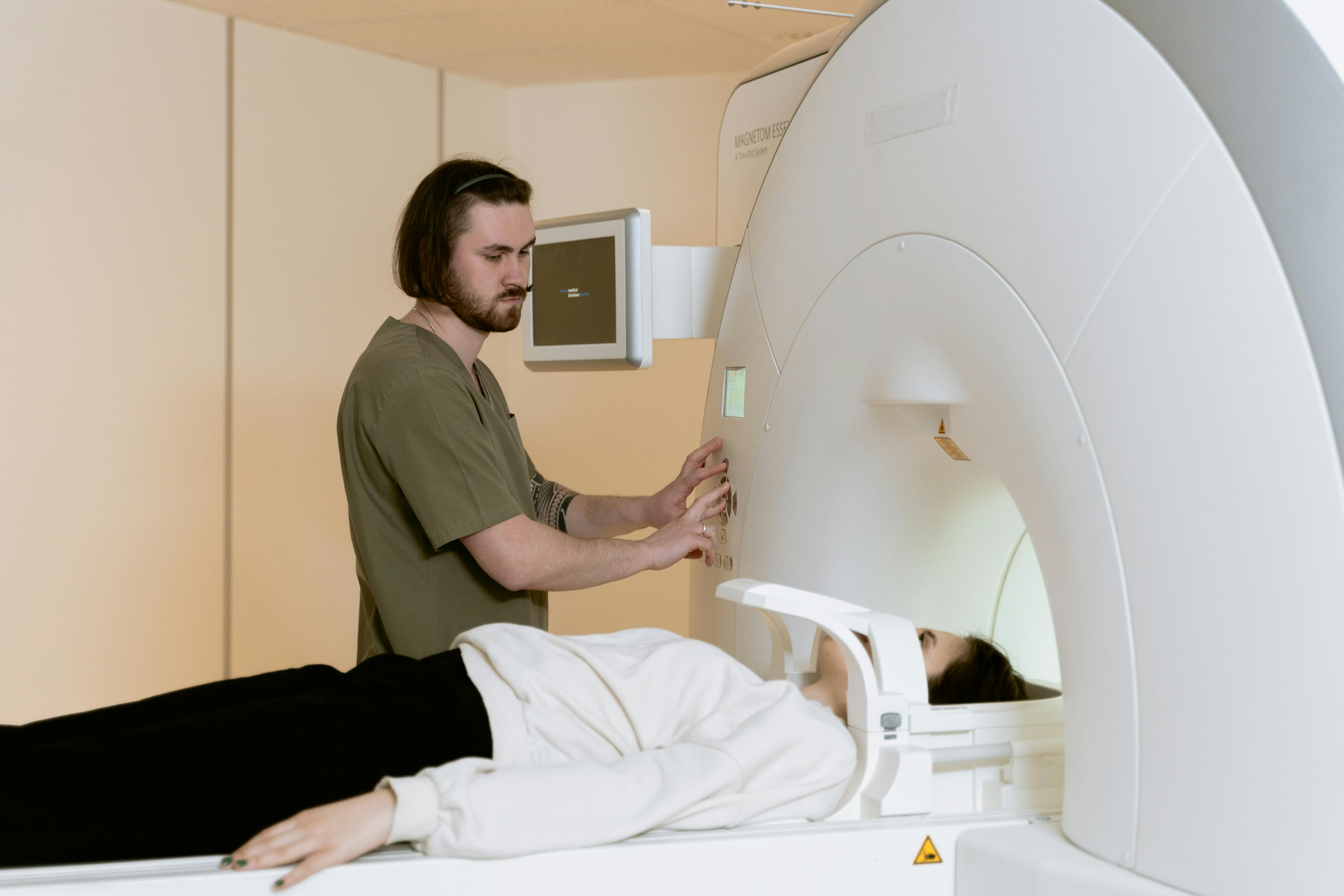
Nuclear medicine scans have revolutionized the field of diagnostic imaging, offering detailed insights into the physiological processes occurring within the body. Unlike traditional imaging techniques that primarily capture structural information, nuclear medicine provides functional data by using small amounts of radioactive material. This enhanced ability to observe metabolic activity and cellular function translates into improved patient outcomes, offering more precise diagnosis, effective treatment planning, and better monitoring of therapy results. By integrating nuclear medicine into comprehensive medical imaging services, healthcare providers can deliver a higher standard of care tailored to the individual needs of patients.
Understanding Nuclear Medicine Scans
Nuclear medicine scans are a pivotal part of advanced diagnostic imaging. They involve the administration of radiopharmaceuticals that emit gamma rays, which are detected by special types of cameras. These imaging techniques include:
- Positron Emission Tomography (PET) – Useful for detecting cancer, assessing heart disease, and evaluating brain disorders.
- Single Photon Emission Computed Tomography (SPECT) – Often used to analyze blood flow to tissues and organs.
- Bone Scans – Employed to identify bone abnormalities such as fractures, infections, or cancers.
- Thyroid Scans – Important for evaluating thyroid function and detecting abnormalities.
Each of these scans is designed to target specific physiological processes, providing a comprehensive view that aids in the formulation of a precise diagnosis.
The Role of Nuclear Medicine in Patient Care
Nuclear medicine plays a critical role in enhancing patient care by offering several benefits that contribute to improved health outcomes. These advantages include:
Early Detection and Diagnosis
Nuclear medicine scans enable the early detection of diseases, often before symptoms manifest. This early intervention is crucial in conditions such as cancer, where timely treatment can significantly impact survival rates. The ability to visualize functional changes at the molecular level makes nuclear medicine an invaluable tool in early diagnosis.
Personalized Treatment Plans
By providing detailed information about the physiological status of a disease, nuclear medicine supports the development of personalized treatment plans. This tailored approach ensures that therapies are specifically designed to meet the unique needs of each patient, enhancing the effectiveness of treatments. Radiological imaging services often integrate nuclear medicine data to refine therapeutic strategies.
Monitoring Treatment Efficacy
Nuclear medicine scans are instrumental in monitoring the effectiveness of treatments. They allow healthcare professionals to observe changes in disease activity, facilitating timely adjustments to treatment regimens. This dynamic monitoring is particularly beneficial in oncology, where the response to treatment can vary significantly among patients.
Minimally Invasive Procedures
As a non-invasive imaging option, nuclear medicine reduces the need for more invasive diagnostic procedures, lowering the risk of complications and enhancing patient comfort. This aspect of nuclear medicine is especially appealing in chronic disease management, where repeated assessments are often necessary.
The Future of Nuclear Medicine in Healthcare
The ongoing advancements in nuclear medicine imaging promise to further enhance its role in healthcare. Emerging technologies such as hybrid imaging systems, which combine PET or SPECT with CT or MRI, offer even greater diagnostic accuracy and the potential for earlier detection of diseases. As these technologies become more accessible, the future of nuclear medicine looks promising, with the potential for even greater improvements in patient outcomes.
Conclusion
In conclusion, nuclear medicine scans are a cornerstone of modern diagnostic practices, providing unique insights that are vital for the effective management of many medical conditions. By integrating with other radiology imaging services, nuclear medicine enhances the ability of healthcare providers to deliver personalized, effective care. As technology continues to advance, the role of nuclear medicine in improving patient outcomes is set to expand further, underscoring its importance in the landscape of contemporary healthcare.