Investigating Genetic and Environmental Influences on Endometriosis
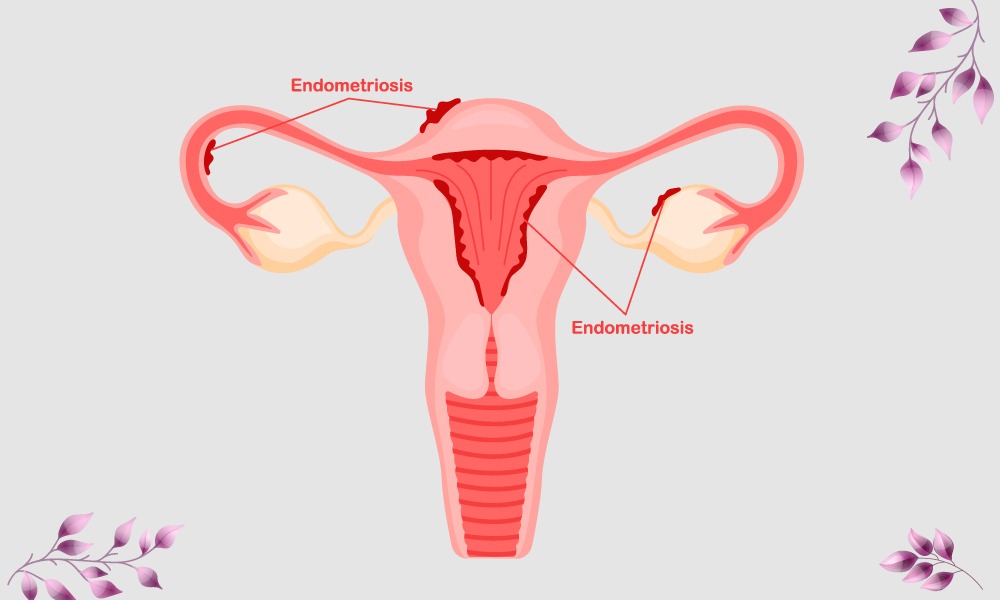
Endometriosis is a complex and often debilitating condition that affects a significant number of women globally. This chronic disorder occurs when tissue similar to the lining inside the uterus, known as endometrium, begins to grow outside the uterus. The condition is characterized by intense pelvic pain, irregular menstrual cycles, and fertility issues, among other symptoms. While the exact causes of endometriosis remain largely elusive, research suggests that a combination of genetic and environmental factors may play a pivotal role in its development. Understanding these influences is crucial for developing more effective diagnostic and treatment strategies.
Genetic Influences on Endometriosis
Genetic predisposition is one of the most researched aspects of endometriosis. Studies have shown that the risk of developing endometriosis is significantly higher in women who have a first-degree relative with the condition. This suggests a hereditary component to the disease.
- Genetic studies have identified several gene mutations that may contribute to the risk of endometriosis.
- Genome-wide association studies (GWAS) have pinpointed specific genetic loci that are more prevalent in women with the condition.
- Epigenetic changes, which involve modifications in gene expression rather than alterations of the genetic code itself, have also been implicated.
These findings underscore the complexity of genetic factors in endometriosis, suggesting that multiple genes may interact with environmental factors to influence disease development.
Environmental Influences on Endometriosis
While genetic factors provide a foundation for understanding endometriosis, environmental influences cannot be overlooked. Several environmental factors have been associated with the development and progression of endometriosis.
Diet and Nutrition
- A diet high in trans fats may increase the risk of endometriosis, while omega-3 fatty acids may have a protective effect.
- Consuming high amounts of red meat has been linked to a higher risk, whereas increased intake of fruits and vegetables is often associated with a reduced risk.
Environmental Toxins
- Exposure to environmental toxins such as dioxins, polychlorinated biphenyls (PCBs), and bisphenol A (BPA) has been suggested to influence the development of endometriosis.
- These substances can act as endocrine disruptors, potentially affecting hormonal balance and exacerbating symptoms.
Interactions Between Genetic and Environmental Factors
The interplay between genetic and environmental factors is a burgeoning area of research in endometriosis. Understanding how these elements interact can provide deeper insights into the disease mechanism and pave the way for personalized treatment approaches.
- Gene-environment interactions may explain why some individuals develop endometriosis while others do not, even when exposed to similar environmental conditions.
- Research in this area aims to identify specific markers that can predict an individual’s susceptibility to environmental risk factors, facilitating early intervention strategies.
As the understanding of these interactions grows, it holds promise for the development of targeted therapies that address both genetic predispositions and environmental triggers.
Conclusion
Exploring the genetic and environmental influences on endometriosis is essential for advancing the understanding of this complex condition. Such research not only aids in identifying at-risk populations but also offers hope for more effective and personalized treatment options. As scientific investigations continue to unravel the intricate web of factors contributing to endometriosis, there is optimism for improved management strategies that can enhance quality of life for those affected.