Boost Your Curb Appeal with Quality Lawn Aeration
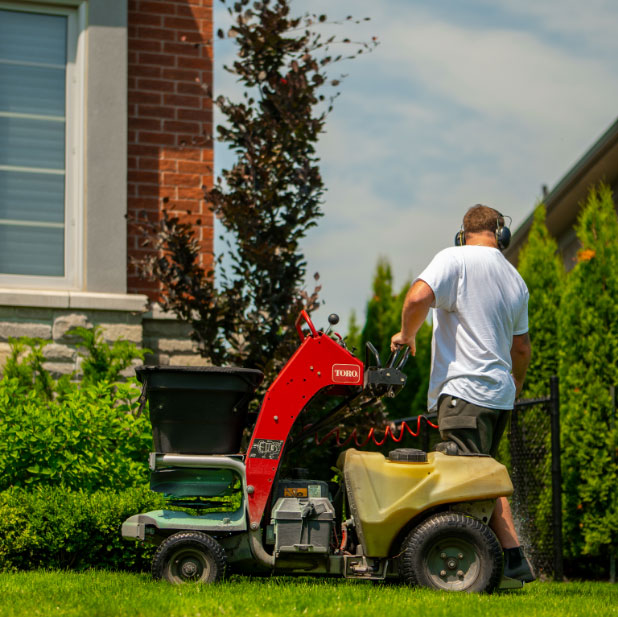
Enhancing the curb appeal of a property goes beyond just maintaining a neat landscape. One pivotal yet often overlooked aspect of lawn care is aeration. This critical process involves perforating the soil with small holes to allow air, water, and nutrients to penetrate the grassroots. By doing so, lawn aeration can rejuvenate the health of the lawn, ensuring a lush, vibrant appearance. This article explores the significance of lawn aeration and how it can transform your outdoor space.
Understanding Lawn Aeration
Lawn aeration is an essential practice that supports the overall health of the grass. By reducing soil compaction, it facilitates the easy movement of essential elements into the soil. This process can significantly enhance the resilience and growth of grass, especially in areas with heavy foot traffic or clay soils, which are more prone to compaction.
Benefits of Lawn Aeration
- Improves air exchange between the soil and atmosphere.
- Enhances water absorption and reduces runoff.
- Promotes root growth and strengthens the lawn.
- Reduces soil compaction and promotes a more robust grass stand.
- Improves fertilizer uptake, enhancing lawn nutrition.
For those interested in optimizing their lawn care routine, understanding the expert strategies behind aeration can be invaluable. This knowledge ensures that the benefits are maximized and the lawn remains healthy and appealing throughout the year.
When to Aerate Your Lawn
The timing of lawn aeration is crucial for achieving optimal results. Typically, the best times to aerate a lawn are during the growing seasons, when the grass can heal and fill in any open areas after soil plugs are removed. For cool-season grasses, early spring or fall is ideal, while warm-season grasses benefit from aeration in late spring or early summer.
Choosing the right time for aeration depends on the specific type of grass and regional climate conditions. To make an informed decision, one can learn about tailored solutions that cater to different lawn types and environments.
Techniques and Tools for Effective Aeration
Proper tools and techniques are paramount to achieving successful lawn aeration. Two common methods include:
- Core Aeration: This technique involves using a machine to remove plugs of soil, which allows for better penetration of air and nutrients.
- Spike Aeration: Less effective than core aeration, this method uses a tool with spikes to poke holes in the soil without removing it.
Both methods have their benefits, and the choice often depends on the specific needs of the lawn and the resources available. For more in-depth advice on which method to choose, explore advanced guides and tips.
Maximizing the Impact of Aeration
To fully benefit from lawn aeration, it is essential to follow up with appropriate lawn care practices. Here are some tips to enhance the effects:
- Apply a layer of topsoil or compost post-aeration to enrich the soil.
- Fertilize the lawn shortly after aeration to provide essential nutrients.
- Water the lawn adequately to help soil settle and support new growth.
- Overseed the lawn if necessary to fill in bare patches and promote denser grass coverage.
For those looking to delve deeper into post-aeration care, one can find out more about this approach and ensure their lawn remains vibrant and healthy.
Conclusion
Quality lawn aeration can significantly boost the aesthetic appeal and health of any lawn. Understanding the process, timing, and techniques involved can lead to a more robust and lush outdoor space. By integrating expert strategies and tailored solutions, one can ensure their lawn remains a stunning feature of their property. For more information on lawn aeration services and how to improve lawn care practices, explore advanced guides and tips.