Ultimate Guide to Using a Fetal Doppler for Pregnancy
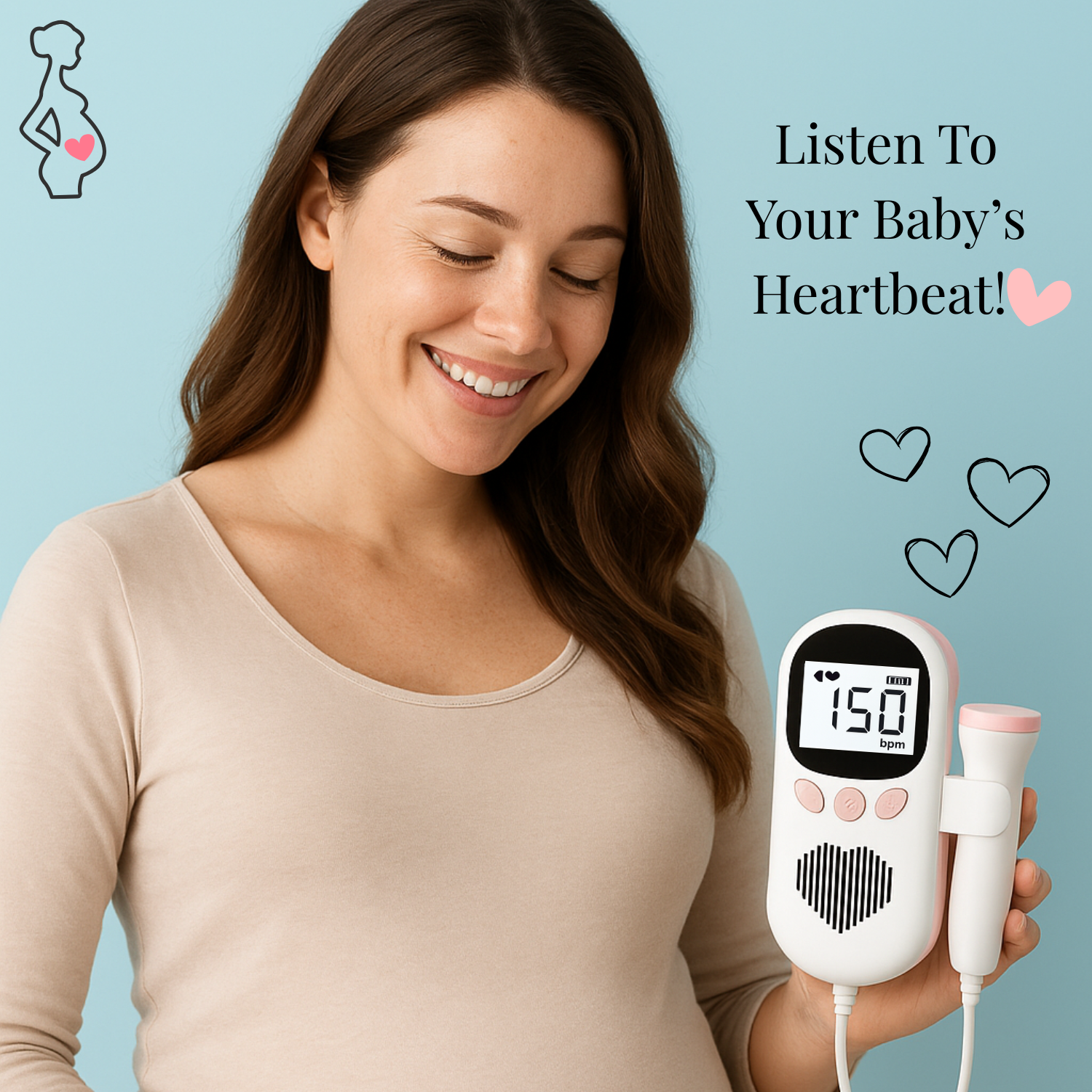
Expecting a child is a journey filled with excitement and anticipation. As parents-to-be, there’s a natural desire to connect with the unborn baby and ensure their well-being throughout the pregnancy. One tool that has gained popularity among expecting parents is the fetal doppler. This device allows parents to listen to their baby’s heartbeat from the comfort of their home. Understanding how to use a fetal doppler effectively can enhance the pregnancy experience, providing reassurance and joy as the baby grows.
What is a Fetal Doppler?
A fetal doppler is a handheld ultrasound device used to detect the fetal heartbeat during pregnancy. It emits sound waves that bounce off the baby’s heart, allowing the listener to hear the heartbeat through headphones or a built-in speaker. This non-invasive tool is similar to the equipment used by healthcare providers during prenatal visits but is designed for personal use.
Benefits of Using a Fetal Doppler
Using a fetal doppler for pregnancy offers several advantages:
- **Reassurance**: Hearing the baby’s heartbeat can provide peace of mind, especially during the early stages of pregnancy when movement is not yet detectable.
- **Bonding**: Regularly listening to the heartbeat can strengthen the bond between the parents and the unborn child.
- **Convenience**: Having a fetal monitor at home allows parents to check on their baby without the need for frequent clinic visits.
How to Use a Fetal Doppler
Preparation
Before using a fetal doppler, it’s essential to follow these steps to ensure accurate results:
- **Read the Manual**: Familiarize yourself with the device’s instructions and limitations.
- **Use Gel**: Apply a generous amount of ultrasound gel to the probe to enhance sound transmission.
- **Choose the Right Time**: The best time to use a doppler is after 12 weeks of pregnancy, as the heartbeat is more detectable.
Locating the Heartbeat
Finding the baby’s heartbeat can be challenging at first. Follow these tips for a successful experience:
- **Positioning**: Lie down comfortably on your back and place the probe on the lower abdomen.
- **Angle the Probe**: Tilt the probe slightly and move it slowly to locate the heartbeat.
- **Listen Carefully**: Differentiate between the mother’s heartbeat and the baby’s, which is typically faster.
Interpreting the Sounds
Understanding the sounds you hear is crucial for a meaningful experience:
- **Baby’s Heartbeat**: Typically ranges between 110-160 beats per minute and sounds like a galloping horse.
- **Mother’s Heartbeat**: Slower and in rhythm with the mother’s pulse.
- **Placental Sounds**: Whooshing sound caused by blood flow through the placenta.
Safety Considerations
While using a fetal doppler can be a joyous experience, it’s important to use it safely:
- **Limit Usage**: Avoid excessive use to prevent unnecessary anxiety from difficulty in locating the heartbeat.
- **Consult Healthcare Providers**: Any concerns about the baby’s health should be discussed with a healthcare professional.
- **Follow Manufacturer’s Guidelines**: Adhere to the recommended usage to ensure safety and accuracy.
Conclusion
The use of a fetal doppler can bring immense joy and comfort to expecting parents, allowing them to connect with their unborn child in a unique way. By understanding how to properly use this tool and recognizing its sounds, parents can confidently monitor their baby’s well-being. Always remember to balance the use of a fetal doppler with regular prenatal visits to ensure a healthy and safe pregnancy journey.