Simplify Cleanup with Trash Compactors for Kitchen Efficiency
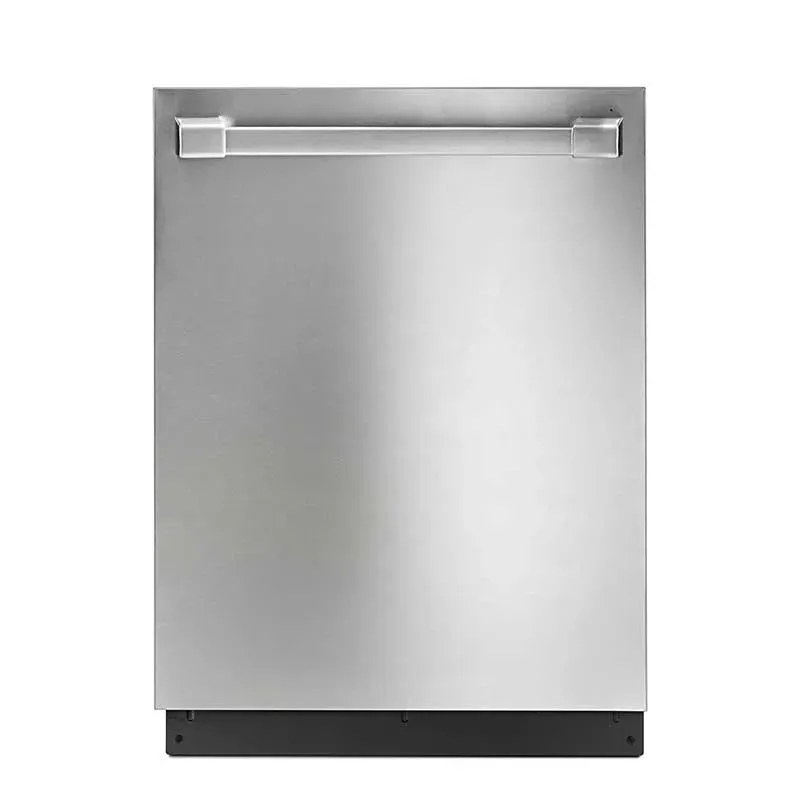
In modern kitchens, where efficiency and cleanliness are paramount, trash compactors have emerged as a vital asset. These devices not only streamline the waste management process but also contribute significantly to maintaining a clutter-free, hygienic kitchen environment. As households seek smarter solutions for everyday challenges, the trash compactor stands out as an innovative tool that blends convenience with practicality. By reducing waste volume, these appliances reduce the frequency of garbage disposal, enhance aesthetic appeal, and support sustainability efforts. Embracing such technology in the kitchen not only simplifies the cleanup but also maximizes operational efficiency.
Benefits of Incorporating Trash Compactors
Trash compactors offer numerous advantages that make them a practical choice for any kitchen:
- Space Optimization: By compressing waste, trash compactors dramatically reduce the volume of garbage, freeing up valuable space in the kitchen.
- Time Efficiency: With less frequent trips to the dumpster, homeowners can save time and effort.
- Environmental Impact: Compacting waste minimizes the number of garbage bags used, supporting environmental conservation efforts.
- Odor Control: Modern trash compactors are designed to seal in odors, maintaining a fresh kitchen ambiance.
- Enhanced Aesthetics: With less visible waste, kitchens maintain a more organized and visually pleasing appearance.
For more insights on optimizing kitchen space and maintenance, discover expert strategies here.
How Trash Compactors Work
Understanding the functionality of trash compactors can aid in maximizing their benefits:
Mechanism of Action
Trash compactors operate through a simple yet effective mechanism:
- Loading: Waste is placed into the compactor’s bin, which is designed to handle a variety of materials.
- Compressing: The compactor uses a powerful motor to apply pressure, compacting the waste into a smaller volume.
- Sealing: Once compressed, the waste is sealed to contain odors and maintain hygiene.
For those interested in the detailed workings of these appliances, explore advanced guides and tips.
Choosing the Right Trash Compactor
Selecting an appropriate trash compactor is crucial for achieving optimal results. Consider the following factors:
- Size and Capacity: Evaluate the volume of waste typically generated to choose a compactor with adequate capacity.
- Design and Style: Ensure the compactor complements the kitchen’s aesthetic and fits seamlessly into existing cabinetry.
- Features: Look for features such as odor management, energy efficiency, and user-friendly controls.
- Brand and Warranty: Opt for reliable brands known for quality and durability, and check for warranty options that provide peace of mind.
To gain a comprehensive understanding of different models and their features, learn about our tailored solutions.
Integrating Trash Compactors into Your Kitchen
Incorporating a trash compactor requires thoughtful planning to ensure it fits the kitchen’s layout and enhances functionality:
- Placement: Position the compactor in a convenient location that facilitates easy access while cooking or cleaning.
- Installation: Professional installation may be required to ensure the appliance operates efficiently and safely.
- Maintenance: Regular maintenance and cleaning of the compactor’s components can prolong its lifespan and ensure optimal performance.
For detailed instructions on installation and maintenance, find out more about this approach.
By integrating trash compactors, kitchens can achieve a new level of efficiency and cleanliness. These appliances not only enhance the practicality of waste management but also contribute to a more organized and aesthetically pleasing cooking space. As households move towards more eco-friendly and efficient solutions, trash compactors are poised to become an essential component of modern kitchen design.