Increase Productivity with Efficient Warehouse Racking
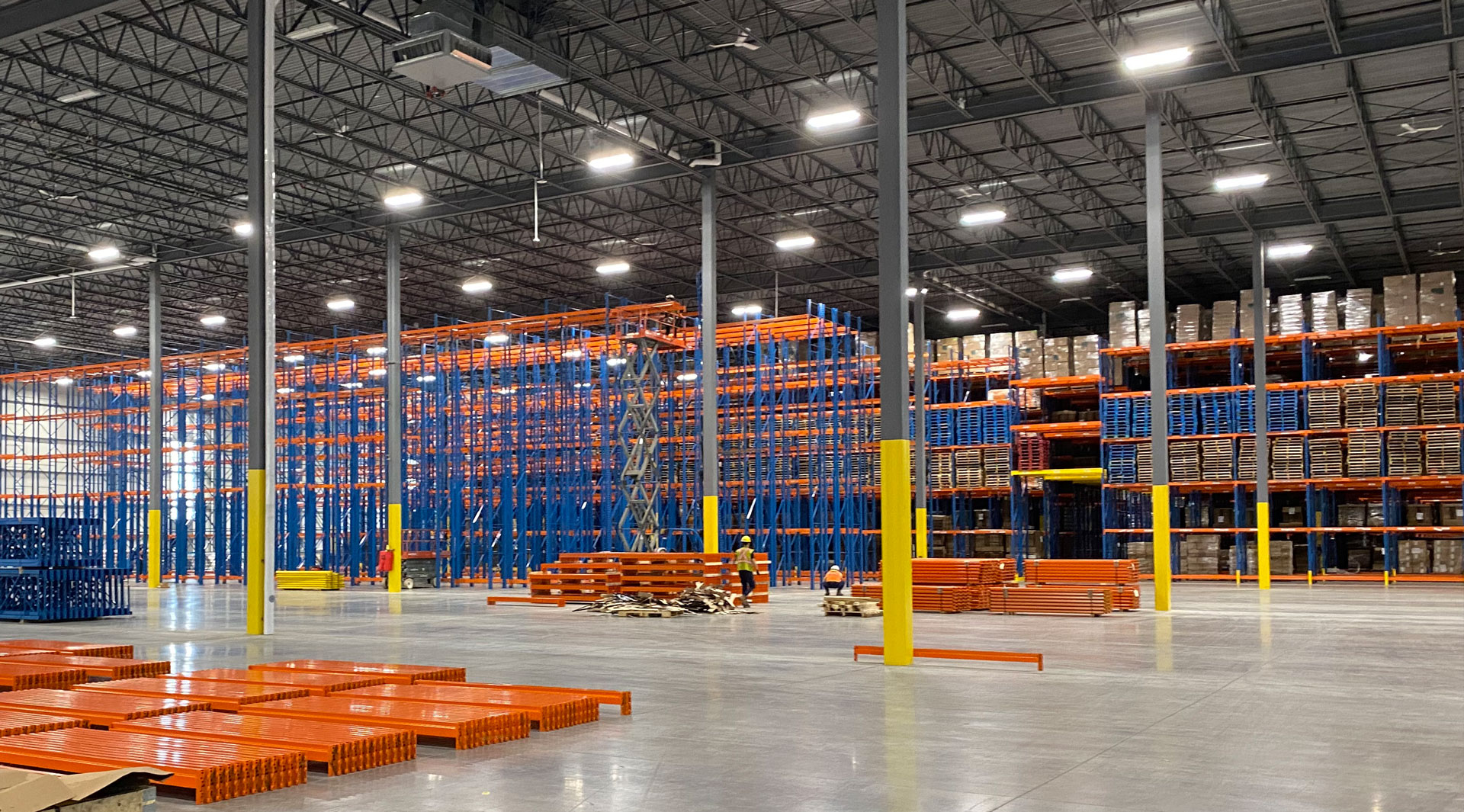
In today’s fast-paced business environment, efficient warehouse management is critical to ensuring seamless operations and maintaining a competitive edge. One of the key components to achieving this efficiency is the implementation of effective warehouse racking systems. An optimized warehouse layout not only maximizes storage capacity but also streamlines operations, reducing both the time and cost associated with inventory management.
The Importance of Efficient Warehouse Racking
Efficient warehouse racking systems are essential for numerous reasons:
- Maximizes available space, allowing for greater inventory storage.
- Improves accessibility, reducing the time spent on locating and retrieving items.
- Enhances safety by providing stable and secure storage options.
- Facilitates better inventory management, minimizing errors and losses.
- Supports scalability as business needs grow and change.
For those looking to optimize their warehouse operations, discover expert strategies here.
Key Types of Warehouse Racking Systems
Choosing the right racking system is crucial, as different systems offer varying benefits. Here are some commonly used warehouse racking systems:
Selective Racking
This is the most common type of racking system, allowing easy access to each pallet. It is highly flexible and suitable for warehouses with a variety of products.
Drive-In/Drive-Through Racking
These systems are designed for high-density storage, ideal for homogeneous products. They maximize space by allowing forklifts to drive directly into the racks.
Pallet Flow Racking
Utilizing sloped lanes, this dynamic system ensures a first-in, first-out (FIFO) inventory management approach, which is essential for perishable goods.
Push-Back Racking
This system allows for multiple pallets to be stored in a single lane, using a last-in, first-out (LIFO) approach. It is suitable for high-density storage with a variety of SKUs.
For more information on tailored solutions to meet specific warehouse needs, learn about our tailored solutions.
Factors to Consider When Implementing Racking Systems
When selecting a racking system, consider the following factors:
- Warehouse space and layout: Ensure the racking system complements the physical dimensions and flow of the warehouse.
- Inventory characteristics: Consider the size, weight, and perishability of the inventory when choosing a racking system.
- Accessibility requirements: Determine the frequency of product retrieval and ensure the system supports efficient access.
- Safety regulations: Adhere to safety standards and guidelines to prevent accidents and ensure employee safety.
- Budget constraints: Assess the cost-effectiveness of the racking system in relation to its benefits and long-term value.
Find out more about this approach by exploring advanced guides and tips.
Benefits of an Optimized Warehouse Racking System
Implementing an optimized warehouse racking system offers several benefits:
- Increases operational efficiency by reducing time spent on locating and moving inventory.
- Enhances productivity by streamlining workflows and minimizing bottlenecks.
- Reduces overhead costs by maximizing storage capacity and minimizing waste.
- Improves employee satisfaction by creating a safer and more organized work environment.
- Boosts customer satisfaction through faster and more accurate order fulfillment.
For businesses aiming to enhance their warehouse operations, explore advanced guides and tips to get started.
In conclusion, an efficient warehouse racking system is key to maximizing productivity and maintaining a competitive advantage. By understanding the various types of racking systems and considering the specific needs of the warehouse, businesses can create a streamlined, safe, and effective storage solution. For those eager to enhance their warehouse’s performance, learn about tailored solutions to meet specific operational goals.