Expert Tips for Effective Concrete Waterproofing
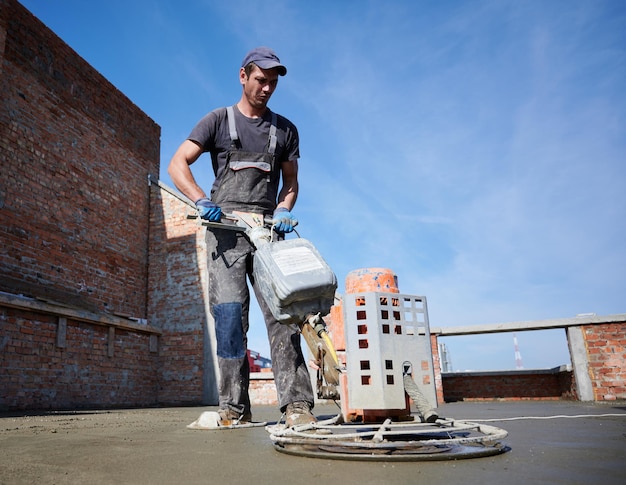
Concrete waterproofing is an essential process in construction, ensuring the longevity and durability of structures. It involves various techniques and products designed to prevent water ingress and protect concrete from moisture-related damage. This article delves into expert tips and strategies for effective concrete waterproofing, providing insights into methods that enhance the durability and resilience of concrete structures. Whether you are involved in new construction projects or maintaining existing structures, understanding these techniques can significantly improve outcomes.
Understanding Concrete Waterproofing
Concrete is inherently porous, which means it can easily absorb water unless properly treated. Waterproofing is crucial to prevent water seepage that can lead to cracks, spalling, and structural compromise. The selection of the right waterproofing method depends on several factors, including the location, environmental conditions, and the specific requirements of the project.
Common Waterproofing Techniques
There are multiple techniques available for waterproofing concrete, each with its own advantages. Key methods include:
- Membrane Waterproofing: This involves applying a membrane layer over the concrete surface, providing a barrier to water. Membranes can be liquid-applied or sheet-based, offering flexibility and durability.
- Cementitious Waterproofing: A popular method due to its ease of application, using a mixture of cement-based products to create a waterproof layer.
- Crystalline Waterproofing: Involves the application of chemicals that react with water and un-hydrated cement particles to form crystals, blocking water pathways within the concrete.
Key Considerations for Effective Waterproofing
Successful waterproofing requires attention to detail and consideration of specific project needs. Here are crucial factors to consider:
- Surface Preparation: Proper preparation of the concrete surface is critical. This includes cleaning, repairing cracks, and ensuring a smooth, debris-free surface for optimal adhesion of waterproofing products.
- Product Selection: Choosing the right waterproofing product is essential. Consider the environmental conditions, exposure to chemicals, and the structure’s intended use. Explore advanced guides and tips for selecting the best solutions.
- Application Technique: Follow manufacturer guidelines meticulously to ensure the correct application of waterproofing products, which is vital for their effectiveness.
- Regular Maintenance: Even after waterproofing, regular inspections and maintenance are crucial to address any emerging issues promptly.
Advanced Strategies for Long-term Protection
For advanced waterproofing needs, integrating multiple techniques can offer enhanced protection. Consider:
- Integral Waterproofing: Incorporating waterproofing additives into the concrete mix during construction can provide inherent protection against water ingress.
- Hybrid Systems: Combining different waterproofing methods, such as membrane and crystalline systems, can enhance overall effectiveness.
- Technological Innovations: Leverage the latest technological advancements in waterproofing to achieve superior results. Discover expert strategies here for more information.
Effective concrete waterproofing is a critical aspect of construction that ensures the protection and longevity of structures. By understanding and implementing the right strategies, it is possible to safeguard concrete from moisture-related damage, thereby enhancing structural integrity. Find out more about this approach and learn how tailored solutions can address specific waterproofing challenges.