Exploring Uterine Fibroid Embolization: A Minimally Invasive Treatment
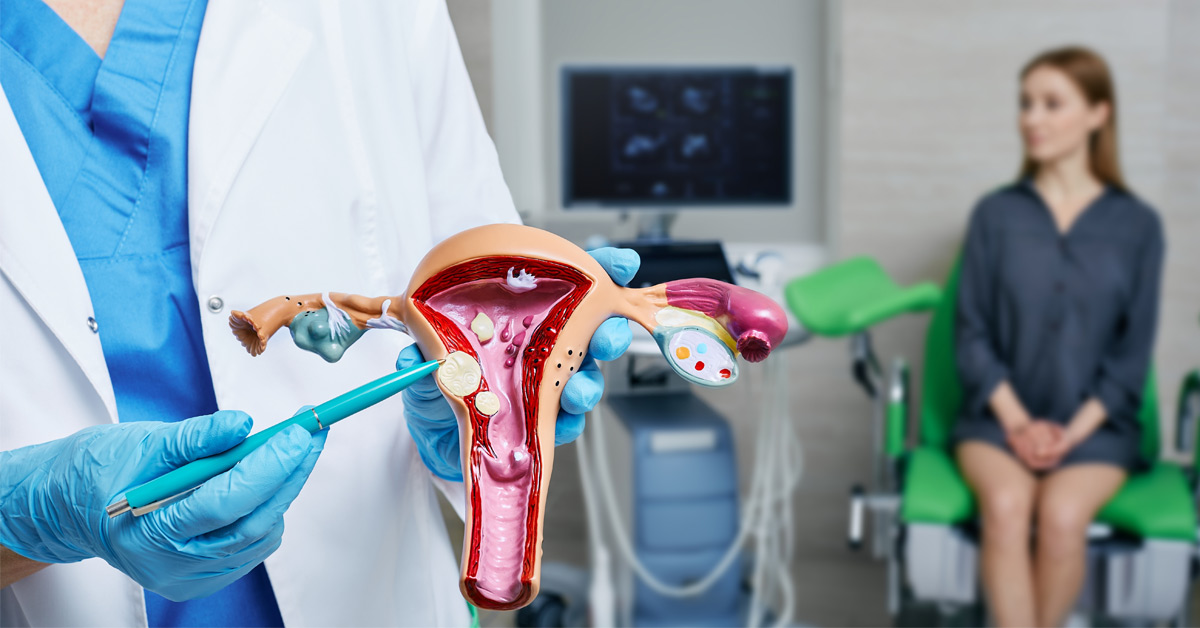
Uterine fibroids are non-cancerous growths that develop in or on the uterus, often presenting with symptoms such as heavy menstrual bleeding, pelvic pain, and frequent urination. While these benign tumors are common among women of reproductive age, they can significantly impact quality of life. Fortunately, advancements in medical technology have introduced minimally invasive treatments like Uterine Fibroid Embolization (UFE), offering relief without the need for major surgery. This article explores the benefits, procedure, and considerations of UFE, providing an informed perspective for those considering this treatment option.
Understanding Uterine Fibroid Embolization
Uterine Fibroid Embolization is a procedure designed to shrink fibroids by blocking their blood supply. This is achieved by injecting small particles into the uterine arteries through a catheter, causing the fibroids to shrink and die over time.
Key Benefits of UFE
- Minimally invasive with no need for open surgery.
- Short recovery time, often allowing patients to return home the same day.
- Preserves the uterus and fertility potential.
- High success rate in reducing symptoms and improving quality of life.
The Procedure
The UFE procedure typically involves the following steps:
- Initial consultation and imaging tests to assess fibroid size and location.
- On the day of the procedure, local anesthesia and sedation are administered.
- A small incision is made in the groin or wrist to access the femoral or radial artery.
- A catheter is guided into the uterine artery under X-ray guidance.
- Tiny embolic agents are injected to block blood flow to the fibroids.
- The procedure usually lasts 1 to 2 hours, with a short recovery period in the hospital.
Considerations and Risks
While UFE is generally safe, it is essential for patients to consider the potential risks and discuss these with their healthcare provider.
Potential Risks
- Post-embolization syndrome, characterized by pain, nausea, and fever.
- Risk of infection or bleeding at the puncture site.
- Possible damage to surrounding organs or tissues.
- Rare complications affecting fertility.
Patients should have a detailed discussion with their interventional radiologist to understand these risks and determine if UFE is the appropriate course of action.
Conclusion
Uterine Fibroid Embolization represents a significant advancement in the treatment of fibroids, offering a safe, effective, and minimally invasive alternative to traditional surgical methods. By preserving the uterus and reducing recovery time, UFE aligns with the needs of many women seeking relief from fibroid symptoms without undergoing major surgery. For those considering UFE, a consultation with a specialist can provide personalized insights and guidance on this innovative treatment option.

