Buy Pilates Reformer Machine: Tips for Choosing the Right Model
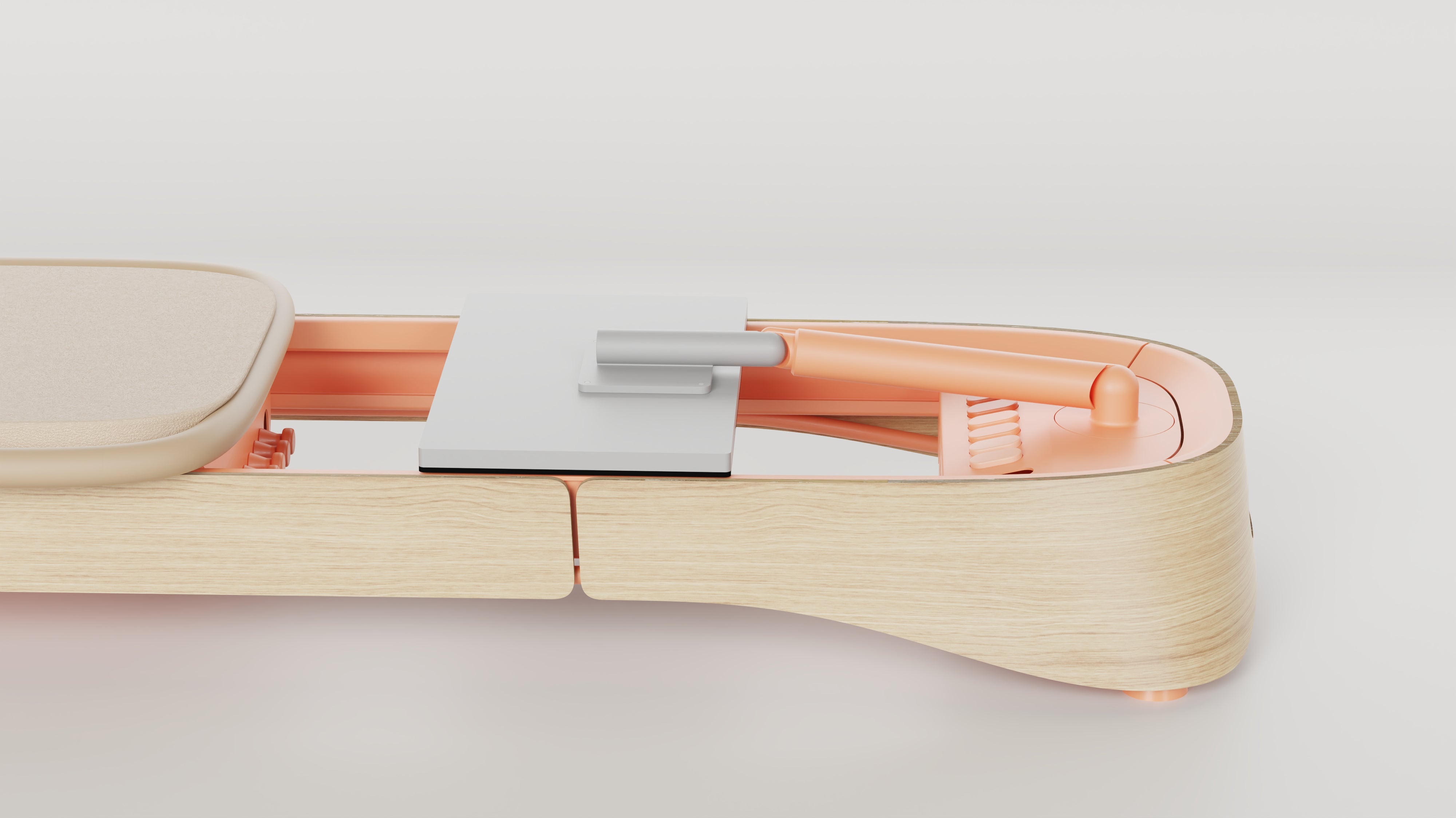
Investing in a Pilates reformer machine for home use can transform a living space into a professional-grade studio. The right model balances durability, functionality, and price, allowing users of all skill levels to perform a full spectrum of Pilates exercises safely and efficiently. This guide outlines the key considerations when you buy pilates reformer machine, helping you select a unit that aligns with your training goals, space constraints, and budget.
Understanding Core Features
Frame Construction and Materials
A sturdy frame is the foundation of any quality reformer. Look for models built from high-grade steel or reinforced aluminum, which provide stability during intense workouts. Wooden frames, such as a wooden pilates reformer, add aesthetic appeal but must be engineered to meet the same strength standards as metal alternatives.
Carriage and Spring Systems
The carriage should glide smoothly on low-friction rollers or sliders. Adjustable spring resistance lets you tailor the intensity of each exercise. Some premium units feature a digital resistance system that can be controlled via an integrated screen, offering precise adjustments for a pilates reformer machine with screen.
Footbar and Accessories
A versatile footbar, adjustable headrest, and optional accessories (such as a tower or ladder) expand the range of exercises. When evaluating a reformer pilates with screen, verify that accessories are included or available as add-ons.
Space and Installation Considerations
- Footprint: Most home reformers measure between 80-120 inches in length and 30-40 inches in width. Measure your intended area, allowing at least 2-3 feet of clearance for safe movement.
- Weight Capacity: Ensure the unit supports the combined weight of the user and any equipment. A capacity of 350-400″?lb is typical for commercial-grade models.
- Assembly: Some models arrive fully assembled, while others require basic tool-free assembly. Check the manufacturer’s instructions for any special requirements.
Budget and Value
Pricing varies widely, from budget-friendly options under $1,000 to high-end models exceeding $5,000. When comparing costs, consider long-term durability and warranty coverage. The price pilates reformer you pay today should reflect the machine’s lifespan and resale value.
Cost-Benefit Checklist
- Warranty length (minimum 2-year parts and labor)
- Availability of replacement springs or rollers
- Customer service reputation
- Potential for upgrades, such as a touchscreen interface
Choosing the Right Model for Home Use
Below are three common categories of reformers, each suited to different user profiles.
1. Entry-Level Home Reformer
Ideal for beginners or those on a tighter budget. Look for a compact design with basic spring resistance and a sturdy steel frame. A typical search term might be home pilates reformer or best pilates reformer for home.
2. Mid-Range All-Purpose Reformer
Offers a balance of features, such as adjustable footbars, multiple spring stacks, and optional accessories. This tier often includes a digital console for tracking workouts, making it a solid choice for the reformer pilates home enthusiast who wants more versatility.
3. Premium Studio-Grade Reformer
Designed for serious practitioners or small commercial spaces. Features may include a built-in screen for streaming classes, high-capacity springs, and a sleek wooden finish. Search for frame fitness reformer or frame pilates reformer when seeking top-tier performance.
Key Questions to Ask Before Purchasing
- How much space is available, and does the unit fold or stack for storage?
- What is the total cost of pilates reformer, including accessories and potential delivery fees?
- Does the manufacturer provide a clear how much is a pilates machine breakdown and warranty details?
- Are there user reviews that confirm the machine’s durability and ease of use?
- Will the reformer support future upgrades, such as a touchscreen or additional resistance levels?
Maintenance and Longevity
Regular upkeep extends the life of a reformer. Simple steps include:
- Wiping down the carriage and frame after each session to prevent sweat corrosion.
- Checking spring tension and replacing worn springs as needed.
- Lubricating rollers or sliders according to the manufacturer’s schedule.
- Inspecting bolts and connections quarterly for tightness.
Conclusion
Selecting the right pilates reformer hinges on understanding your space, training objectives, and budget. By evaluating frame quality, resistance options, accessories, and long-term support, you can confidently buy pilates reformer that delivers studio-level performance in a home environment. Whether you opt for a compact entry model or a feature-rich studio-grade unit, the right reformer will empower consistent practice and lasting results.