Price Pilates Reformer Compared: Budget Options for Every Studio
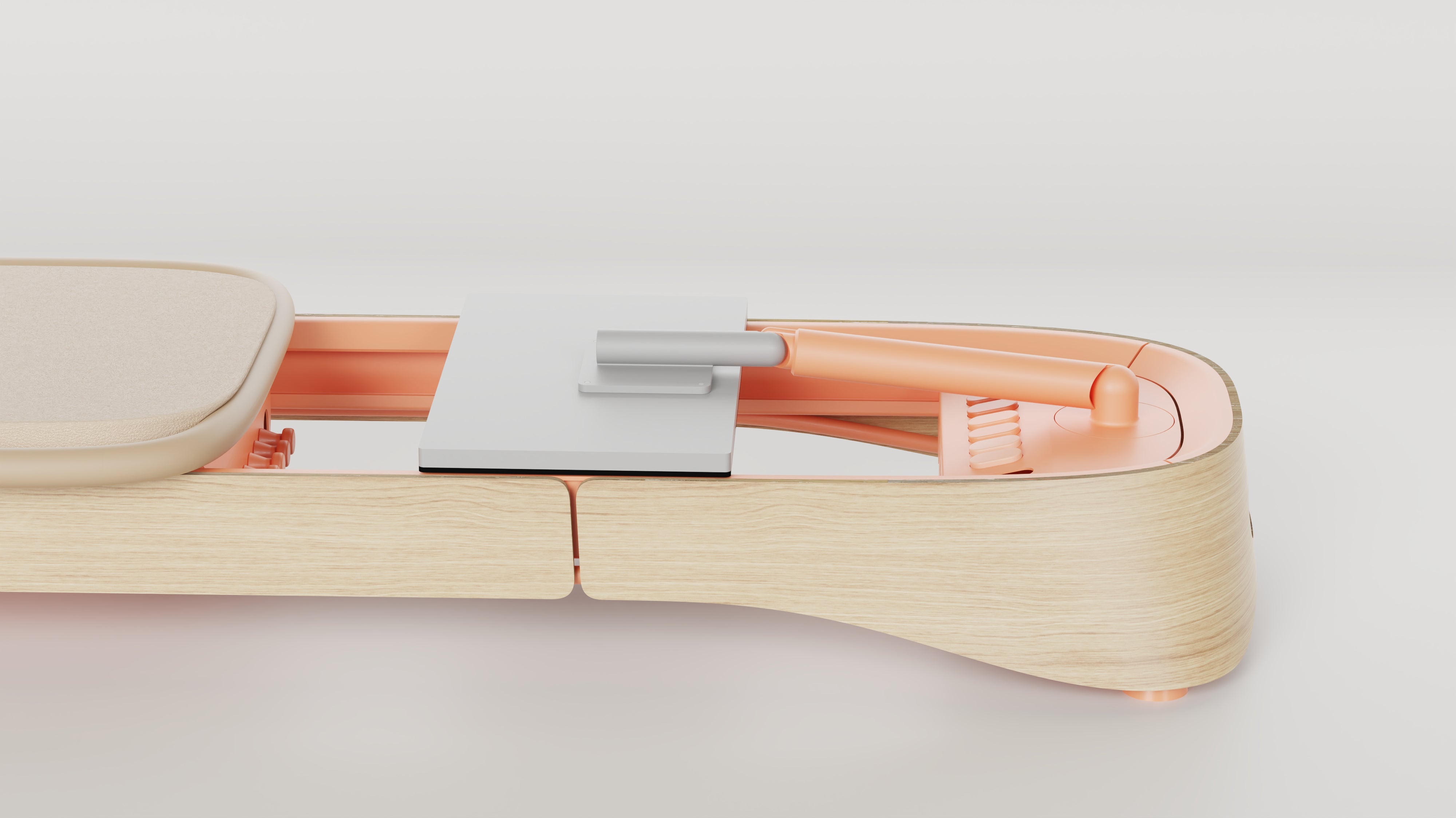
Choosing the right Pilates reformer is a pivotal decision for any studio aiming to deliver consistent, high-quality instruction while staying within budget constraints. The market offers a spectrum of options, from entry-level machines that meet basic functional needs to premium models equipped with advanced biomechanics. This guide breaks down the price landscape, highlights key features to consider, and points to reliable resources for deeper research, ensuring that studio owners can make an informed purchase that aligns with both financial and pedagogical goals.
Understanding the Core Cost Drivers
Before diving into specific models, it’s essential to recognize the factors that influence reformer pricing. These elements determine not only the upfront investment but also long-term value.
- Frame Material: Aluminum and steel frames are common; aluminum is lighter and often cheaper, while steel provides greater durability.
- Carriage Mechanics: Smooth, low-friction carriage systems (often using ball bearings) increase cost but improve user experience.
- Spring vs. Hydraulic Resistance: Traditional spring systems are affordable; hydraulic or magnetic resistance adds precision and price.
- Adjustability & Accessories: Integrated footbars, headrests, and multiple attachment points raise the price but expand exercise variety.
- Warranty & Service Packages: Longer warranties and on-site service contracts reflect higher quality and higher cost.
Budget-Friendly Reformer Categories
1. Entry-Level Models ($1,200 – $2,500)
Ideal for new studios or those expanding their class offerings without a large capital outlay. These units typically feature a sturdy steel frame, basic spring resistance, and a simple carriage design.
- Compact footprint for smaller spaces.
- Standard footbar and headrest.
- Limited color or finish options.
For a concise overview of entry-level specifications, Discover expert strategies here.
2. Mid-Range Models ($2,500 – $4,500)
Mid-range reformers strike a balance between cost and performance. They often incorporate upgraded springs, a smoother carriage, and additional accessories such as detachable shoulder rests.
- Enhanced ergonomics for client comfort.
- Optional upgrade kits (e.g., resistance bands, additional pulleys).
- Improved aesthetic finishes suitable for boutique studios.
To explore the nuances of mid-range options, Learn about our tailored solutions.
3. Premium Models ($4,500 and up)
Premium reformers are built for high-traffic studios that demand durability, precision, and a polished look. Features may include hydraulic resistance, digital monitoring, and fully adjustable components.
- Quiet, fluid movement ideal for group classes.
- Integrated tech for tracking client progress.
- Extended warranty periods and priority service.
For an in-depth look at premium technology, Explore advanced guides and tips.
Key Features to Prioritize When Budgeting
Even within a tight budget, certain features should never be compromised because they directly affect safety and instructional quality.
- Stability: A wide base and reinforced joints prevent wobble during intensive exercises.
- Ease of Adjustment: Quick-release levers and clear markings speed up class transitions.
- Weight Capacity: Choose a model that supports at least 250″?lb (113″?kg) to accommodate a broad client base.
- Maintenance Accessibility: Simple bolt-on components reduce downtime.
Cost-Saving Strategies for Studio Owners
Investing wisely goes beyond picking the cheapest unit. Consider these tactics to maximize value.
- Buy in Bulk: Purchasing multiple reformers from the same manufacturer often unlocks volume discounts.
- Refurbished Units: Certified pre-owned reformers can provide near-new performance at a fraction of the price.
- Lease Programs: Some suppliers offer lease-to-own options, preserving cash flow while still accessing premium equipment.
- Seasonal Promotions: Keep an eye on end-of-year sales or trade-show specials.
For additional guidance on financing options, Find out more about this approach.
Real-World Examples: Studio Case Studies
Below are brief snapshots of how different studios matched reformer price points to their operational needs.
- Urban Flow Studio: Started with three entry-level reformers ($1,800 each) to test market demand. After six months, revenue growth allowed the purchase of two mid-range units.
- Coastal Pilates Boutique: Opted for four premium reformers ($5,200 each) to position the brand as a high-end destination, justifying higher class rates.
- Community Wellness Center: Leveraged a lease program for five mid-range machines, spreading costs over three years while retaining the option to upgrade.
Conclusion
Balancing cost with functionality is a nuanced process, but understanding the price tiers, core features, and strategic purchasing options equips studio owners to select the reformer that best fits their vision. By focusing on durability, adjustability, and client safety, even budget-conscious studios can deliver professional-grade Pilates experiences. For a comprehensive catalog of models and detailed specifications, visit the dedicated product page and Explore advanced guides and tips to stay ahead of industry standards.