Comprehensive Orthopedic Treatment Options
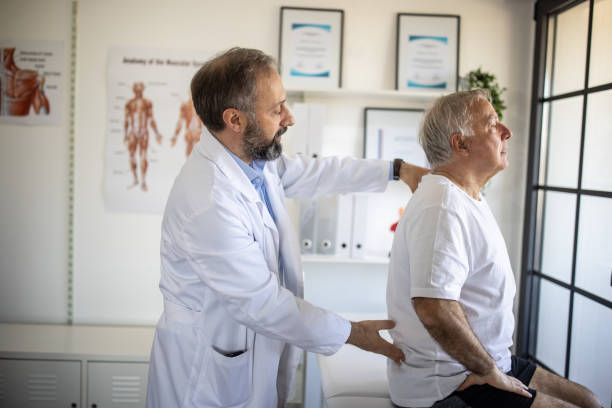
Orthopedic treatment is a vital component of healthcare, focusing on diagnosing, preventing, and treating disorders of the musculoskeletal system. From joint pain and fractures to sports injuries and degenerative diseases, a myriad of conditions fall under the umbrella of orthopedics. Understanding the comprehensive range of treatment options available is crucial for patients and healthcare providers alike, ensuring that optimal outcomes are achieved through personalized care plans.
Non-Surgical Treatment Options
For many orthopedic conditions, non-surgical treatments are the first line of action. These methods can effectively manage and alleviate symptoms without the need for invasive procedures.
- Physical Therapy: Tailored exercise programs designed to improve mobility, strengthen muscles, and restore function.
- Medication: Includes anti-inflammatory drugs, pain relievers, and other medications to manage symptoms.
- Bracing and Supports: Devices that aid in stabilizing joints or areas of injury, promoting healing and providing comfort.
- Injections: Corticosteroid injections or other treatments to reduce inflammation and pain in affected areas.
Read more about this topic here.
Surgical Treatment Options
When non-surgical measures are insufficient, surgical intervention may be necessary. Advanced surgical techniques have improved recovery times and outcomes for patients.
Arthroscopy
A minimally invasive procedure involving a small camera inserted into the joint, allowing for diagnostic and corrective actions with reduced recovery time. Learn more in this detailed guide here.
Joint Replacement
Commonly performed on hips and knees, joint replacement surgery involves replacing damaged parts of the joint with prosthetics. This procedure significantly improves quality of life for individuals with severe joint damage.
Spinal Surgery
For conditions affecting the spine, surgery can help alleviate pain and restore mobility. Procedures range from discectomy to spinal fusion, tailored to the specific needs of the patient. Explore further insights here.
Rehabilitation and Recovery
Post-treatment rehabilitation is crucial to ensure successful recovery and a return to daily activities. A personalized rehabilitation plan often includes:
- Continued Physical Therapy: Exercises and therapies to restore strength and flexibility.
- Activity Modification: Guidelines to prevent re-injury and promote healing.
- Monitoring and Follow-up: Regular check-ups to monitor progress and modify treatment plans as needed.
Find additional information here on how rehabilitation plays a role in recovery.
Conclusion
The field of orthopedics offers an extensive array of treatment options tailored to meet the diverse needs of patients. Whether through non-surgical methods, advanced surgical techniques, or comprehensive rehabilitation plans, each approach is designed to enhance the quality of life by addressing the unique challenges presented by musculoskeletal disorders. As medical technology and research continue to evolve, patients can look forward to even more effective and personalized orthopedic care in the future.