Decorative Glass Films: A Simple Way to Update Your Space
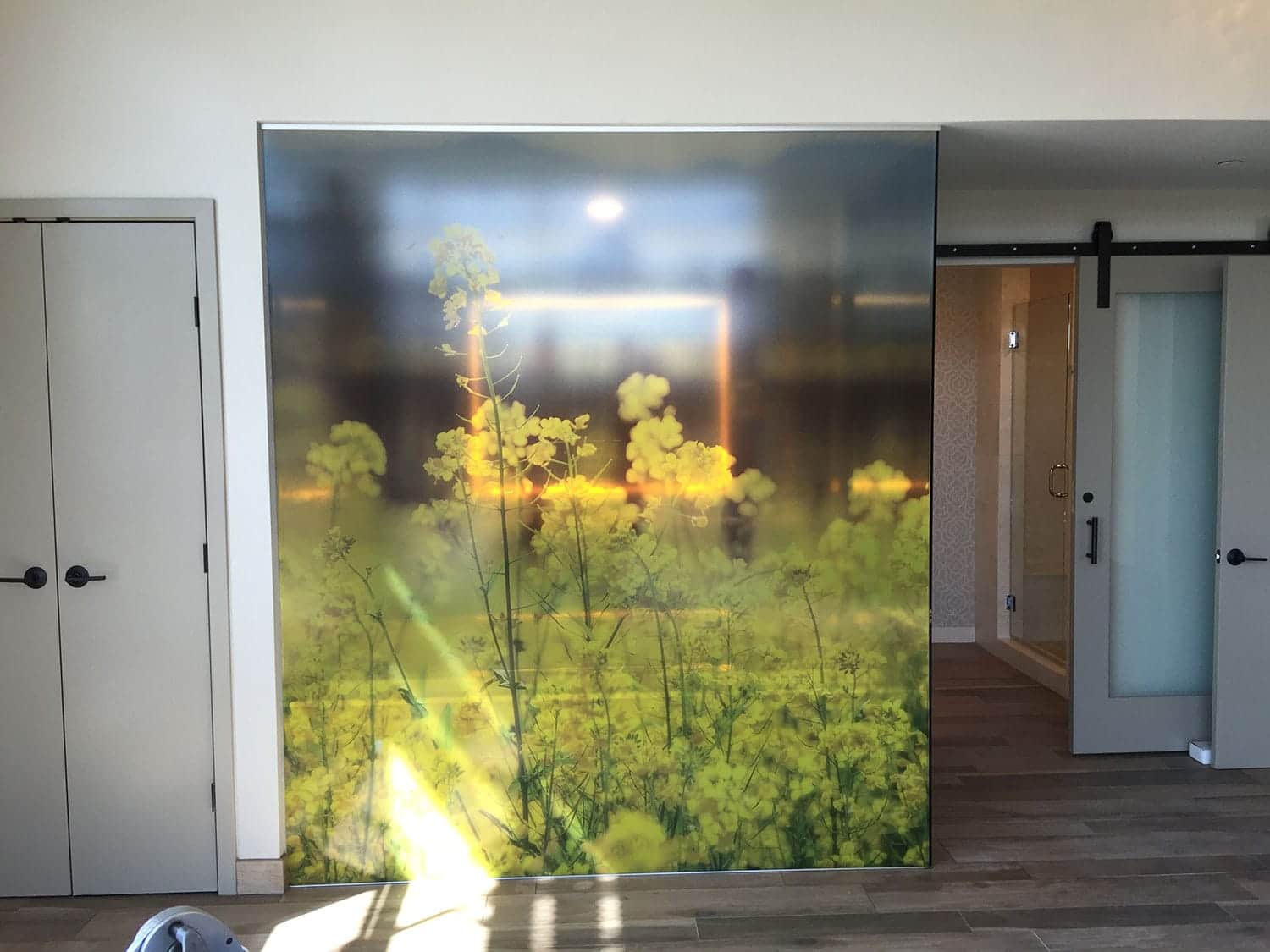
Decorative glass films have become a go-to solution for homeowners, designers, and business owners who want to refresh a space without the expense and disruption of a full remodel. These thin, flexible laminates adhere directly to the surface of windows, doors, and glass partitions, delivering instant visual impact while also providing privacy, UV protection, and energy efficiency. Because they are applied like a sticker, installation is quick, reversible, and budget-friendly, making them an attractive option for both new constructions and renovation projects.
Why Choose Decorative Glass Films?
Beyond aesthetics, decorative films offer practical benefits that enhance the overall performance of a building envelope. Below are the key reasons they are increasingly popular:
- Cost-Effective Design Upgrade – A film can mimic the look of frosted glass, etched patterns, or even stained glass for a fraction of the price.
- Improved Energy Efficiency – Most films block up to 79% of solar heat gain, reducing cooling loads and lowering utility bills.
- UV Protection – Up to 99% of harmful UV rays are filtered, helping to preserve furnishings, artwork, and flooring.
- Enhanced Privacy – Options range from fully opaque to subtle patterns that allow natural light while obscuring view.
- Easy Maintenance – The surface resists fingerprints and can be cleaned with mild soap and water.
Design Possibilities
Decorative glass films come in an extensive library of styles, textures, and finishes. Whether the goal is to create a sleek modern look or a vintage ambience, there is a film to match the vision.
Pattern & Texture Options
- Geometric grids for a contemporary office environment.
- Floral motifs that add a soft, organic feel to residential bathrooms.
- Metallic sheens that simulate brushed steel or copper for industrial aesthetics.
- Custom printed designs that showcase branding or artwork.
Color & Opacity Choices
- Clear films that retain full visibility while adding UV protection.
- Translucent tints that soften glare without completely blocking the view.
- Opaque frosted finishes for conference rooms, bathrooms, or storefronts.
- Colored films that act as a decorative accent or coordinate with interior palettes.
For a curated selection of patterns and a deeper dive into material technology, Discover expert strategies here.
Installation Process
Applying decorative glass film is a straightforward process that can be completed by trained professionals or skilled DIY enthusiasts. The typical workflow includes:
- Surface Preparation – Clean the glass thoroughly to remove dust, grease, and residues.
- Measurement & Cutting – Measure the panel dimensions and cut the film to size, leaving a small margin for trimming.
- Application – Use a squeegee to smooth the film onto the glass, working from the center outward to eliminate bubbles.
- Trimming & Finishing – Trim excess material with a sharp blade and smooth the edges for a seamless look.
Because the film adheres with a pressure-sensitive adhesive, removal is painless: simply peel away the material, leaving the glass intact and ready for a new design if desired.
Maintenance & Longevity
Proper care extends the lifespan of decorative glass films, ensuring they continue to look fresh for years. Recommended practices include:
- Avoid abrasive cleaners; opt for mild soap and a soft, lint-free cloth.
- Do not use razor blades or sharp tools on the film surface.
- Inspect edges periodically for lifting; re-adhere with a small amount of adhesive if needed.
- Replace films after 5-10 years depending on exposure to sunlight and cleaning frequency.
To learn about maintenance routines tailored to specific film types, Learn about our tailored solutions.
Case Studies: Real-World Applications
Below are brief examples illustrating how decorative glass films have transformed various environments.
Residential Bathroom Refresh
A family wanted privacy without sacrificing natural light. By installing a frosted pattern film on the shower enclosure, they achieved a spa-like ambiance while protecting tiles from UV fading. The project cost less than half of a traditional glass replacement.
Commercial Office Partition
A tech startup needed a flexible way to divide an open floor plan. A semi-transparent geometric film was applied to glass walls, creating visual separation while maintaining an airy feel. The solution also contributed to a 12% reduction in cooling costs due to solar heat rejection.
Retail Storefront Branding
A boutique used a custom-printed film featuring its logo and signature colors on the storefront windows. The eye-catching design drew foot traffic and could be swapped out seasonally without major construction.
For additional project inspiration and detailed guides, Explore advanced guides and tips.
Choosing the Right Film for Your Project
Selecting the appropriate decorative film involves evaluating several factors:
- Location – Exterior windows require films with higher UV and weather resistance.
- Desired Opacity – Determine the balance between privacy and light transmission.
- Design Compatibility – Match patterns and colors with existing interior décor.
- Budget – Prices vary by thickness, specialty inks, and customization.
Professional consultants can assess these variables and recommend the optimal product line. Find out more about this approach.
Conclusion
Decorative glass films provide a versatile, cost-effective method to modernize any space while delivering functional benefits such as UV protection, energy savings, and privacy. Their ease of installation, wide design range, and reversibility make them an appealing choice for homeowners, designers, and businesses alike. By selecting the right pattern, opacity, and installation technique, a simple film can become a defining element of interior architecture, delivering lasting aesthetic and performance value.