Expert Asphalt Maintenance Services in Ann Arbor for Reliable Results
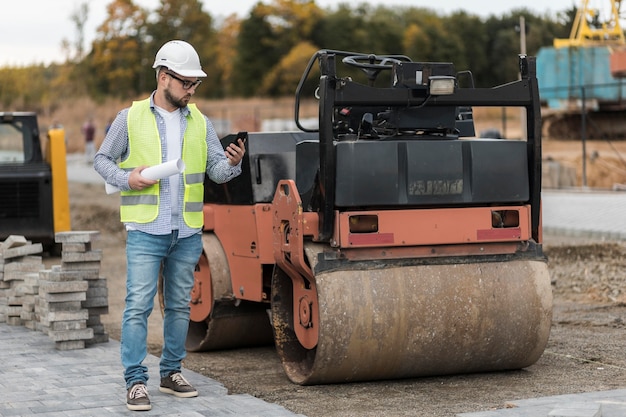
Maintaining asphalt surfaces in Ann Barlow’s variable climate requires a blend of technical knowledge, timely intervention, and the right materials. When pavement cracks, potholes, or surface wear are left unchecked, the cost of repair escalates quickly, affecting both safety and curb appeal. This article outlines the essential components of professional asphalt maintenance, highlights the benefits of a proactive approach, and provides actionable guidance for property owners seeking reliable, long-term results.
Why Proactive Asphalt Maintenance Matters
Asphalt is a resilient yet flexible material that responds to temperature fluctuations, traffic loads, and moisture. Regular upkeep prevents minor imperfections from turning into costly failures. Key reasons to adopt a proactive maintenance schedule include:
- Extended service life – well-maintained pavement can last 15-20 years longer.
- Improved safety – eliminating cracks and potholes reduces the risk of accidents.
- Cost efficiency – early repairs are far cheaper than full-depth replacements.
- Enhanced aesthetics – a smooth, dark surface boosts property value and first impressions.
Core Maintenance Services
Crack Sealing
Cracks allow water to infiltrate the base, leading to erosion and freeze-thaw damage. Professional crack sealing involves cleaning the fissure, applying a flexible sealant, and ensuring a watertight bond. This simple step can prevent up to 70 % of pavement deterioration.
Pothole Repair
When traffic stresses weakened areas, potholes form. Effective repair requires removing loose material, filling the void with a cold or hot mix, and compacting the surface to match surrounding levels. Prompt attention stops the spread of damage and restores ride comfort.
Surface Resurfacing (Milling and Overlay)
For surfaces showing widespread cracking, raveling, or loss of texture, milling the top layer and applying a fresh overlay restores structural integrity and skid resistance. This process also allows for the incorporation of modern additives that improve durability.
Choosing the Right Maintenance Partner
Selecting a qualified provider in Ann Arbor involves evaluating several criteria beyond price. The following checklist helps ensure the chosen contractor possesses the expertise needed for dependable results:
- Certified technicians with experience in local climate challenges.
- Access to high-quality sealants and mix designs tailored to Michigan conditions.
- Transparent project timelines and clear communication protocols.
- Positive client testimonials and a portfolio of completed projects.
For a deeper dive into the specific techniques used by leading specialists, Discover expert strategies here.
Maintenance Planning Tips
Effective planning reduces unexpected downtime and spreads costs evenly over the pavement’s lifespan. Consider the following steps when developing a maintenance schedule:
- Conduct a thorough inspection: Perform visual checks twice a year, once after winter and once before summer heat peaks.
- Prioritize repairs: Rank issues by severity; address water-intrusive cracks before cosmetic blemishes.
- Schedule routine sealcoating: Apply a protective sealcoat every 2-3 years to shield the surface from UV rays and oil spills.
- Document all work: Keep records of repairs, materials used, and dates to track performance trends.
Benefits of Ongoing Asphalt Maintenance
Consistent care yields measurable advantages that extend beyond the pavement itself:
- Reduced vehicle wear: Smooth surfaces minimize tire abrasion and suspension strain.
- Lower energy consumption: Vehicles maintain better fuel efficiency on even roads.
- Compliance with regulations: Properly maintained driveways meet municipal safety standards.
- Environmental stewardship: Extending pavement life reduces the need for new raw materials and landfill waste.
To explore detailed guides on extending pavement longevity, Explore advanced guides and tips.
Frequently Asked Questions
How often should crack sealing be performed?
Ideally, seal cracks once a year, preferably in late spring or early summer when temperatures are consistently above 50 °F, ensuring optimal sealant adhesion.
What signs indicate it’s time for resurfacing?
When more than 30 % of the surface exhibits cracking, rutting, or loss of texture, resurfacing becomes more cost-effective than patching individual defects.
Is sealcoating necessary for all asphalt surfaces?
Yes, sealcoating provides a protective barrier against moisture, oil, and UV degradation, making it a recommended practice for driveways, parking lots, and roadways alike.
Conclusion
In Ann Arbor’s demanding environment, asphalt maintenance is not a luxury, it is a strategic investment. By embracing regular inspections, timely repairs, and professional resurfacing when needed, property owners can secure a safe, attractive, and long-lasting pavement. For those ready to implement a comprehensive maintenance plan, Find out more about this approach. The right expertise turns routine upkeep into reliable, cost-effective performance for years to come.