The Advantages of Using Pallet Flow Racking Systems
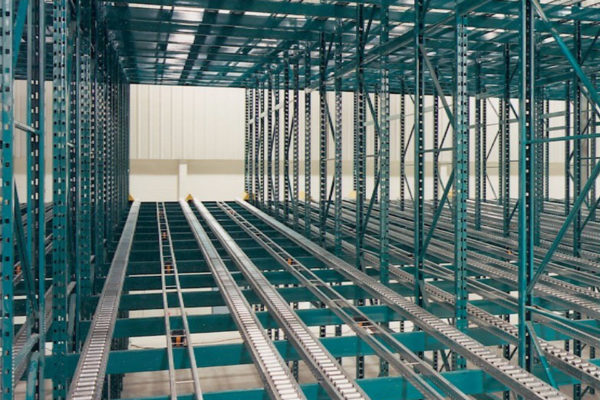
In modern warehousing and distribution centers, the efficiency of storage systems plays a crucial role in operational success. Among the various racking systems available, pallet flow racking stands out for its ability to maximize storage density while facilitating superior inventory management. This dynamic storage solution offers significant benefits, making it an ideal choice for businesses seeking to improve their supply chain operations.
Enhanced Storage Efficiency
Pallet flow racking systems are designed to optimize vertical storage space, enabling businesses to store more products in a given area. This is achieved through a gravity-driven mechanism where pallets are loaded from one side and move along inclined rollers to the unloading side. The result is a streamlined flow of goods that not only increases storage capacity but also ensures easy accessibility.
Consider the following advantages:
- Maximizes space utilization by reducing aisle widths.
- Increases storage density compared to traditional static racking systems.
- Facilitates efficient product rotation, ideal for perishable goods.
For further insights into optimizing storage space, discover expert strategies here.
Improved Inventory Management
Pallet flow racking systems offer a first-in, first-out (FIFO) inventory management approach, which is particularly beneficial for products with expiration dates. This system ensures that older stock is used first, reducing the risk of obsolescence and spoilage.
Key benefits include:
- Streamlined product handling, reducing the need for manual intervention.
- Enhanced inventory turnover rates.
- Minimal handling damage, preserving product integrity.
For businesses seeking to refine their inventory strategies, learn about our tailored solutions.
Cost-Effective Operations
While the initial investment in pallet flow racking systems may be higher than static racks, the long-term savings justify the expenditure. This system reduces labor costs due to its efficient design, which minimizes the need for manual labor and forklifts. Additionally, the maintenance costs are relatively low due to the system’s robust construction.
Cost-saving highlights include:
- Reduced labor costs through automation of stock rotation.
- Lower energy consumption as fewer forklifts are needed.
- Minimal maintenance due to durable components.
To evaluate the cost benefits further, explore advanced guides and tips.
Enhanced Safety and Reliability
Safety is paramount in any warehouse setting. Pallet flow racking systems are engineered to support a safe working environment. The design minimizes the risk of accidents by eliminating unnecessary handling and movement.
Safety features to note:
- Reduces the likelihood of forklift accidents.
- Ensures stable and secure pallet storage.
- Constructed with safety mechanisms to prevent pallet shifting.
To understand more about the safety features, find out more about this approach.
Conclusion
Pallet flow racking systems present a versatile and efficient solution for businesses aiming to enhance their warehousing operations. By improving storage density, facilitating effective inventory management, and ensuring cost-effective operations, these systems are invaluable for dynamic and fast-paced environments. As industries evolve, adopting such advanced storage solutions becomes imperative to remain competitive and efficient.
For comprehensive insights and detailed guidance on implementing pallet flow systems, explore advanced guides and tips.