Top Picks: Supplements for Enhanced Muscle Development
Achieving optimal muscle development requires more than just consistent training; nutrition and supplementation play a pivotal role in supporting recovery, protein synthesis, and overall performance. Selecting the right supplements can accelerate gains, reduce fatigue, and improve body composition when paired with a well-designed workout regimen. This guide highlights the most effective options, explains how they work, and offers practical tips for incorporating them into a daily routine.
Why Supplements Matter for Muscle Development
While whole foods provide the foundation of macro- and micronutrients, supplements fill gaps that can hinder progress. They offer:
- Convenient, high-quality sources of protein and amino acids.
- Targeted nutrients that enhance cellular signaling pathways for muscle growth.
- Improved recovery speed, allowing more frequent and intense training sessions.
Core Supplements for Building Muscle
1. Whey Protein Isolate
Whey protein delivers a rapid influx of essential amino acids, particularly leucine, which triggers muscle protein synthesis (MPS). Isolate forms contain minimal lactose and fat, making them ideal for post-workout consumption.
- Dosage: 20-30″?g within 30″?minutes after training.
- Benefits: Faster MPS activation, supports lean mass retention during calorie deficits.
- Tip: Mix with water or a low-calorie beverage to keep carbohydrate intake controlled.
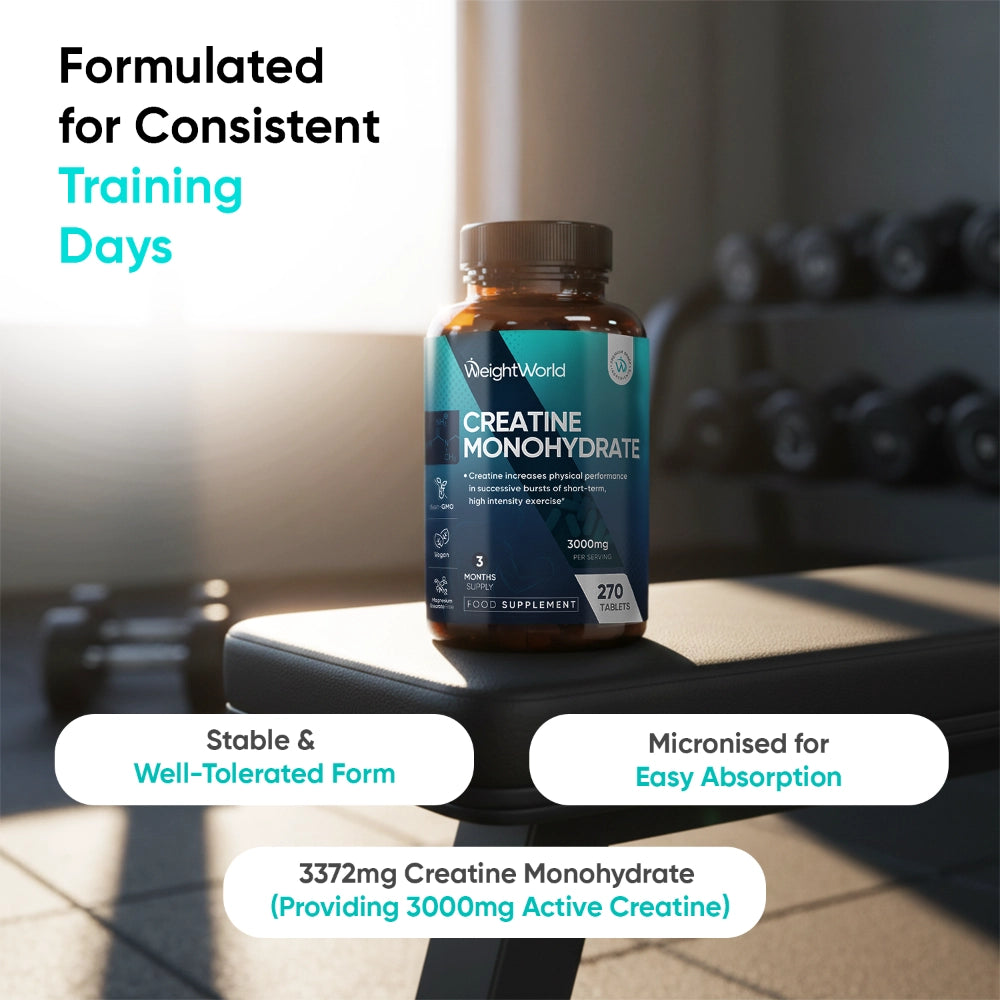
2. Creatine Monohydrate
Creatine is the most researched performance-enhancing supplement, proven to increase intramuscular phosphocreatine stores, improve strength, and promote volumizing effects on muscle fibers.
- Loading phase (optional): 20″?g per day split into 4 doses for 5-7 days.
- Maintenance: 3-5″?g daily, taken any time of day.
- Result: Enhanced power output, greater training volume, and noticeable size gains over weeks.
3. Branched-Chain Amino Acids (BCAAs)
BCAAs, leucine, isoleucine, and valine, help reduce muscle soreness and support MPS when protein intake is suboptimal. They are especially useful during long training sessions or when training in a fasted state.
- Typical ratio: 2:1:1 (leucine:isoleucine:valine).
- Dosage: 5-10″?g before or during workouts.
- Consideration: If daily protein exceeds 1.2″?g/kg, BCAAs may be redundant.
4. Beta-Alanine
Beta-alanine buffers hydrogen ions that accumulate during high-intensity effort, delaying fatigue and allowing more reps per set.
- Dosage: 2-5″?g per day, divided into smaller portions to avoid tingling sensations.
- Loading period: 4-6 weeks for noticeable performance improvements.
5. Omega-3 Fatty Acids (EPA/DHA)
Beyond cardiovascular health, omega-3s modulate inflammation and may enhance muscle protein synthesis when combined with resistance training.
- Dosage: 1-3″?g of combined EPA/DHA daily.
- Source: High-purity fish oil or algae-derived supplements for vegetarians.
Choosing the Right Supplement Stack
Individual goals, dietary restrictions, and training frequency dictate the optimal combination. Below is a sample stack for a typical 4-day split program:
- Pre-Workout: 5″?g beta-alanine + 5″?g BCAAs.
- Post-Workout: 30″?g whey isolate + 5″?g creatine monohydrate.
- Throughout the Day: 1-2″?g omega-3 capsules and a multivitamin for micronutrient coverage.
Supplement Quality and Safety
Ensuring product purity is essential for both efficacy and health. Look for supplements that:
- Carry third-party testing (e.g., NSF, Informed-Sport).
- Provide transparent labeling with exact ingredient amounts.
- Are manufactured in GMP-certified facilities.
Where to Find Reliable Products
Choosing reputable retailers simplifies the verification process. Many specialists curate selections that meet rigorous standards, offering a range of options from budget-friendly to premium formulations. For those seeking a comprehensive lineup, the best supplements for muscle growth are conveniently grouped, allowing easy comparison of ingredients, dosages, and certifications.
Practical Tips for Maximizing Results
- Consistent Timing: Align supplement intake with training windows to capitalize on the anabolic window.
- Stay Hydrated: Creatine draws water into muscle cells; adequate fluid intake supports both performance and kidney health.
- Track Progress: Record strength metrics and body composition changes to assess supplement effectiveness.
- Cycle When Needed: Some athletes rotate creatine or beta-alanine periodically to prevent adaptation.
Conclusion
Integrating scientifically backed supplements into a disciplined training and nutrition plan can substantially accelerate muscle development. Prioritize high-quality whey protein, creatine monohydrate, and supporting nutrients such as BCAAs, beta-alanine, and omega-3s. By selecting products that meet stringent safety standards and aligning intake with workout schedules, athletes can achieve stronger, leaner physiques while minimizing recovery time. The right stack, combined with consistent effort, transforms potential into measurable performance gains.