Understanding Laser Treatment for Acne
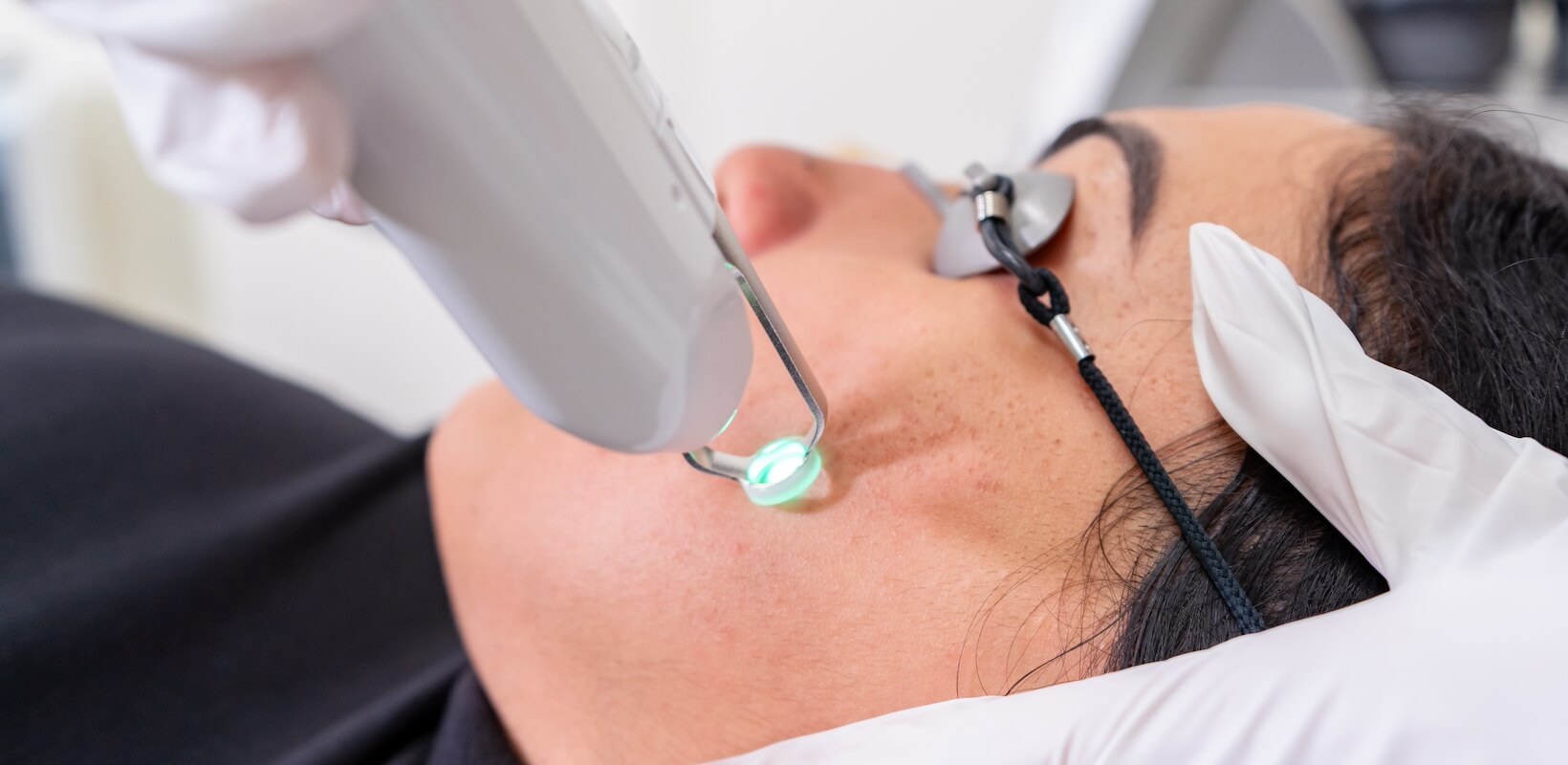
Acne is a common skin condition that affects millions of individuals worldwide, often leading to emotional distress and reduced self-esteem. While traditional treatments such as topical creams and medications are widely used, laser treatment has emerged as a highly effective alternative for those seeking long-term solutions. Understanding laser treatment for acne involves delving into its mechanisms, benefits, and considerations to determine its suitability for different skin types and conditions.
How Laser Treatment Works
Laser treatment for acne primarily works by targeting the underlying causes of acne at the root level. It uses concentrated light beams to penetrate the skin layers, addressing both active acne and acne scars. The process involves:
- Targeting Sebaceous Glands: The laser energy reduces the size and activity of sebaceous glands, which are responsible for oil production. Less oil means fewer clogged pores and, subsequently, fewer acne outbreaks.
- Destroying Acne-Causing Bacteria: The heat from the laser eliminates P. acnes bacteria, reducing inflammation and preventing further breakouts.
- Stimulating Collagen Production: For acne scars, lasers stimulate collagen production, promoting skin regeneration and reducing scar visibility.
Benefits of Laser Treatment for Acne
Choosing laser treatment for acne offers a range of advantages, especially for those who have not found success with conventional methods. Some of the primary benefits include:
- Precision: Lasers target specific areas without affecting surrounding skin, ensuring precise treatment.
- Quick Recovery: Unlike invasive procedures, laser treatments typically involve minimal downtime.
- Long-Lasting Results: With proper aftercare, the results of laser treatment can be long-lasting, providing a clearer complexion.
- Versatility: Laser treatments can be customized to address different types and severities of acne, as well as skin types.
Types of Laser Treatments for Acne
Various types of laser treatments are available, each with its own mechanism and suitability for different acne conditions. Some of the commonly used laser treatments include:
Blue Light Therapy
Blue light therapy specifically targets acne-causing bacteria without affecting the skin’s surface. It is a non-invasive treatment option for mild to moderate acne.
Fractional Laser Therapy
This type of therapy is effective for treating acne scars. It works by creating micro-injuries in the skin, stimulating the body’s natural healing process and collagen production.
Nd:YAG Laser
The Laser Active Acne Treatment often utilizes Nd:YAG lasers, which penetrate deeper into the skin layers to reduce inflammation and treat active acne effectively.
Considerations Before Opting for Laser Treatment
While laser treatments offer promising results, there are several considerations potential candidates should be aware of:
- Skin Type and Condition: Not all skin types respond similarly to laser treatments. Consulting a dermatologist for a thorough evaluation is crucial.
- Number of Sessions: Multiple sessions may be necessary to achieve optimal results, depending on the severity of the acne and the type of laser used.
- Side Effects: Possible side effects include redness, swelling, and temporary pigmentation changes, which should be discussed with a professional.
- Cost: Laser treatments can be costly, and it’s essential to consider the financial commitment involved.
- Post-Treatment Care: Proper aftercare, such as sun protection and skin hydration, is vital to maintain results and prevent complications.
Conclusion
Understanding laser treatment for acne is essential for those considering this innovative approach to achieving clearer skin. With its ability to address both active acne and scarring, laser treatment offers a promising solution for individuals seeking long-term acne management. However, consulting with a qualified dermatologist to assess individual needs and potential outcomes is an indispensable step in the decision-making process. By weighing the benefits and considerations, individuals can make informed choices that align with their skin health goals.

