Key Factors to Consider for Home Garage Door Installation
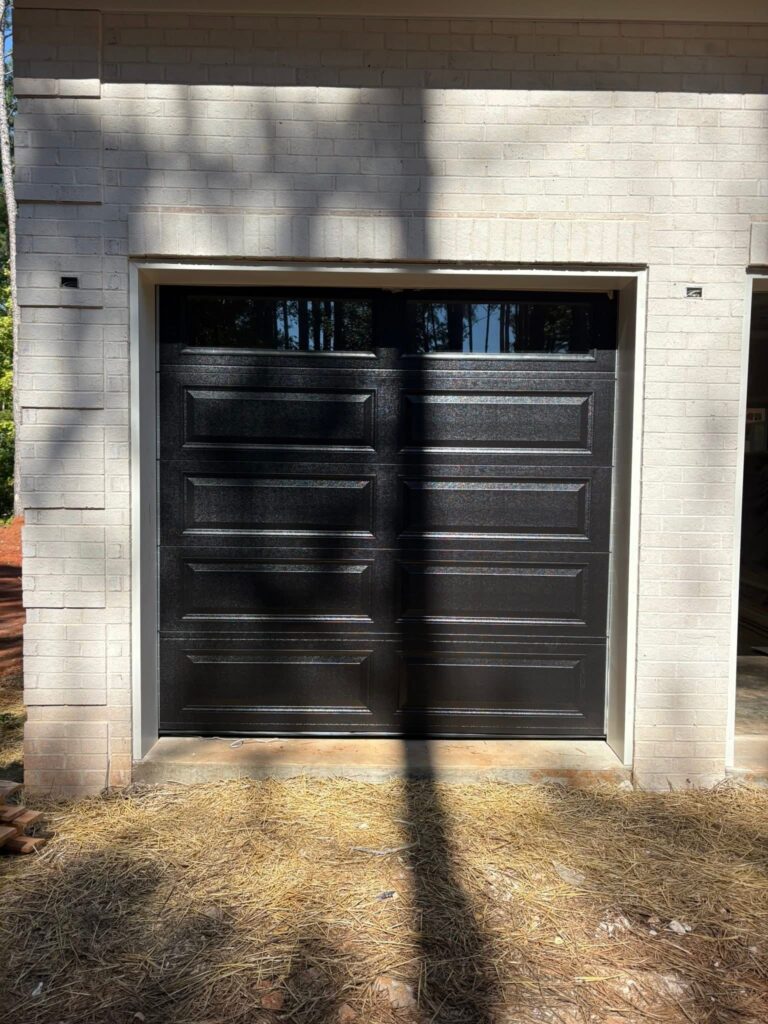
When considering the installation of a new garage door for a home, several key factors must be evaluated to ensure a seamless and efficient process. A garage door is not merely a functional part of the house but also contributes significantly to its aesthetic appeal and security. With various options available in the market, making an informed decision requires understanding the intricacies of the installation process, cost implications, and the available designs and materials.
Understanding the Types of Garage Doors
The first step in the home garage door installation process is selecting the right type of garage door. This choice will largely depend on the architecture of the home and the homeowner’s personal preferences. The common types include:
- Sectional Garage Doors: These doors are made of panel sections connected with hinges. They are popular for their durability and minimal maintenance.
- Roll-Up Garage Doors: Ideal for areas with limited ceiling space, these doors roll up into a coil above the opening.
- Slide to the Side Garage Doors: As the name suggests, these doors move to the side and are perfect for garages with limited headroom.
- Side-Hinged Garage Doors: Resembling barn doors, these are a classic choice and offer a traditional aesthetic.
Material Selection
The material of the garage door plays a crucial role in its durability, maintenance, and appearance. Common materials include:
- Wood: Offers a classic look and can be customized with various finishes but requires regular maintenance.
- Steel: Known for its strength and low maintenance, steel is often chosen for its durability.
- Aluminum: Lightweight and resistant to rust, making it suitable for humid environments.
- Fiberglass: Offers a modern look and is resistant to dents, although it may not provide the best insulation.
Cost Considerations
Understanding the garage door installation cost is essential for budgeting purposes. Several factors influence the cost, including:
- Door Type and Material: Premium materials like wood typically cost more than steel or fiberglass.
- Customization: Custom designs or non-standard sizes can increase the overall cost.
- Additional Features: Insulation, windows, and smart technology integration can add to the expense.
- Labor Costs: Professional installation ensures safety and warranties but may vary in price based on location and complexity.
For more detailed information on costs, explore garage door and installation services.
Installation Process and Professional Help
Although some homeowners may consider a DIY approach, professional garage door installation is recommended for several reasons:
- Safety: Garage doors are heavy and require precise handling to avoid accidents.
- Expertise: Professionals have the skills to install new garage doors efficiently and tackle potential issues.
- Warranty: Many manufacturers offer warranties that may be voided by DIY installations.
Enhancing Home Security
Garage doors are integral to home security. When planning a residential garage door installation, consider:
- Locking Mechanisms: Ensure robust locking systems are in place to deter break-ins.
- Smart Technology: Modern doors can integrate with smart home systems for enhanced security and convenience.
- Durability: A strong and durable door acts as a deterrent to potential intruders.
In conclusion, the installation of a garage door is a significant investment that requires careful planning and consideration. By understanding the types, materials, costs, and installation processes, homeowners can make informed decisions that align with their needs and budget. Professional installation not only ensures safety and precision but also provides peace of mind regarding the longevity and functionality of the garage door.