Navigating the World of Supplements in the UK
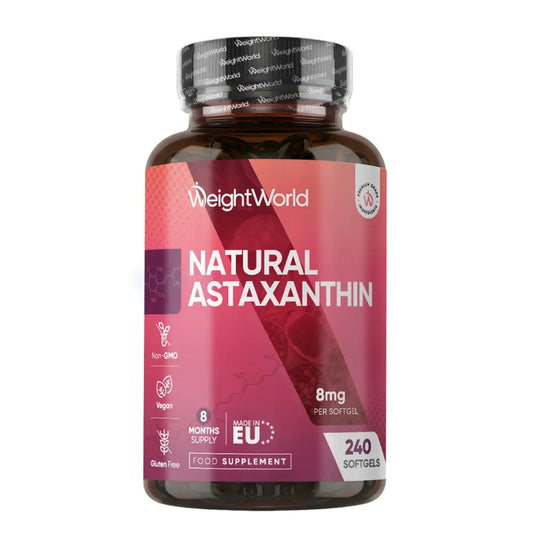
In recent years, the United Kingdom has witnessed a surge in interest surrounding dietary supplements, driven by a growing awareness of health optimisation and preventative care. With an ever-expanding market, consumers are faced with a myriad of choices, ranging from basic vitamins to specialised nutraceutical blends. Navigating this landscape requires a clear understanding of regulatory standards, ingredient quality, and evidence-based benefits. This guide provides a concise roadmap for anyone looking to make informed decisions about supplements in the UK, helping to separate fact from hype while highlighting practical steps for safe and effective use.
Regulatory Framework Governing Supplements in the UK
The UK operates under a robust set of regulations designed to protect consumers and ensure product integrity. The primary legislation includes the Food Supplements (England) Regulations 2003, which align with EU directives despite Brexit, and the Medicines and Healthcare products Regulatory Agency (MHRA) oversight for any product making medicinal claims.
Key Points of Compliance
- Only vitamins and minerals listed in the UK Register of Permitted Food Additives may be used.
- Products must not claim to treat, prevent, or cure disease unless authorised as a medicinal product.
- Labeling must include a clear statement of the recommended daily dose, ingredient list, and any allergens.
- Manufacturers are required to retain a batch-specific safety dossier for at least five years.
Understanding these requirements helps consumers identify products that meet the legal standards for supplements and reduces the risk of inadvertently purchasing unregistered or potentially unsafe items.
Major Categories of Supplements Available
Supplements can be broadly grouped into several categories, each serving distinct health objectives. Recognising the purpose of each type aids in selecting the right product for individual needs.
- Vitamins and Minerals: Essential micronutrients such as vitamin D, B-complex, and magnesium that support basic physiological functions.
- Herbal and Botanical Extracts: Plant-derived compounds like turmeric, green tea, and ashwagandha, often used for their anti-inflammatory or adaptogenic properties.
- Protein and Amino Acid Supplements: Whey, casein, and branched-chain amino acids (BCAAs) that aid muscle recovery and growth.
- Specialised Nutraceuticals: Formulations targeting joint health (e.g., glucosamine), cognitive performance (e.g., omega-3 DHA), or immune support (e.g., zinc).
When exploring options, it is useful to browse reputable sources that specialise in vitamins and supplements, ensuring the product range aligns with current scientific consensus.
Assessing Quality and Purity
Not all supplements are created equal. Quality assessment should focus on manufacturing practices, third-party testing, and ingredient sourcing.
What to Look For
- Good Manufacturing Practice (GMP) Certification: Indicates adherence to stringent production standards.
- Third-Party Verification: Independent testing for potency, contaminants, and label accuracy (e.g., from NSF or Informed-Sport).
- Transparent Ingredient Sourcing: Clear information on the origin of botanical extracts or marine oils.
- Stability and Shelf-Life Data: Assurance that active compounds remain effective throughout the product’s use period.
Choosing items that meet these criteria contributes to the reliability of health supplements and supports long-term wellness goals.
Safety Considerations and Potential Interactions
Even naturally derived products can pose risks if misused. Proper dosing, awareness of interactions, and consultation with healthcare professionals are essential safeguards.
- Follow the recommended daily allowance (RDA) unless directed by a qualified practitioner.
- Check for possible interactions with prescription medications, especially anticoagulants, thyroid hormones, and blood pressure drugs.
- Be cautious with high-dose fat-soluble vitamins (A, D, E, K) which can accumulate to toxic levels.
- Pregnant or lactating individuals should verify safety through a medical professional before starting any new supplement regimen.
Resources that provide up-to-date guidance on safe usage can be found through reputable UK-based portals offering supplements uk information and consumer alerts.
Where to Purchase Reliable Supplements in the UK
Finding trustworthy retailers involves more than a quick online search. Consider the following factors when selecting a point of purchase:
- Reputation and Reviews: Established retailers with transparent customer feedback tend to maintain higher standards.
- Clear Return Policies: Guarantees that allow returns if the product does not meet expectations or label claims.
- Professional Customer Support: Access to knowledgeable staff who can answer questions about dosage, suitability, and certifications.
- Secure Shipping and Storage: Proper handling to preserve product potency, especially for temperature-sensitive items.
By prioritising these aspects, consumers can confidently source high-quality supplements that align with both regulatory expectations and personal health objectives.
Conclusion
Supplementation can be a valuable component of a balanced lifestyle when approached with diligence and informed decision-making. Understanding the UK regulatory environment, distinguishing between supplement categories, scrutinising quality markers, and observing safety protocols collectively empower individuals to navigate the market effectively. Leveraging reputable sources for information and purchase ensures that each supplement contributes positively to overall well-being, turning the complex world of UK supplements into a manageable and rewarding part of daily health strategy.