Unlocking the Benefits of Health Supplements
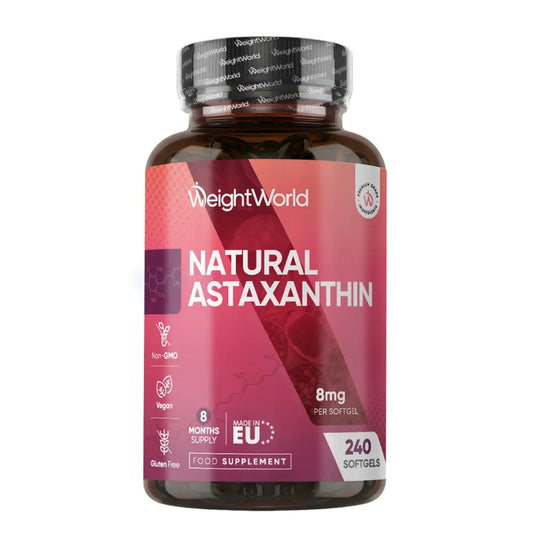
In today’s fast-paced world, maintaining optimal nutrition can be challenging. Even with a balanced diet, gaps often appear due to lifestyle constraints, soil depletion, or specific health needs. Health supplements step in to bridge those gaps, providing essential nutrients that support bodily functions, enhance performance, and promote long-term wellness. Understanding how these products work, what to look for, and how to use them responsibly can transform a routine from merely adequate to truly thriving.
What Are Health Supplements?
Health supplements are concentrated sources of nutrients, vitamins, minerals, amino acids, botanicals, or other bioactive compounds, intended to supplement the diet. They come in various forms, including tablets, capsules, powders, and liquids, each designed for specific absorption rates and convenience.
Common Categories
- Vitamins and minerals: Essential for metabolic pathways, immune support, and bone health.
- Herbal extracts: Provide antioxidant, anti-inflammatory, or adaptogenic benefits.
- Protein and amino acids: Aid muscle repair, growth, and recovery.
- Omega-3 fatty acids: Support cardiovascular health and cognitive function.
Key Benefits of Incorporating Supplements
When selected wisely, supplements can deliver measurable advantages that complement everyday nutrition.
- Filling Nutrient Gaps: Modern diets often lack sufficient micronutrients; supplements help achieve recommended intakes.
- Supporting Specific Health Goals: From joint comfort to enhanced immunity, targeted formulas address distinct concerns.
- Optimising Performance: Athletes and active individuals use protein and creatine to improve strength and endurance.
- Promoting Healthy Aging: Antioxidant-rich formulas combat oxidative stress, supporting skin, eye, and cellular health.
- Convenient Nutrition: Portable formats make consistent intake easier for busy lifestyles.
Choosing Quality supplements
Not all products on the market meet the same standards. Selecting high-quality options involves evaluating several critical factors.
Transparency and Testing
- Third-party testing for purity, potency, and absence of contaminants.
- Clear labeling of active ingredients, dosages, and excipients.
- Manufacturing certifications such as GMP (Good Manufacturing Practice).
Ingredient Sourcing
- Prefer botanical extracts derived from organic or sustainably farmed sources.
- Look for chelated minerals, which often exhibit better absorption.
- Avoid unnecessary fillers, artificial colors, or excessive binders.
Integrating vitamins and supplements into Daily Routine
Effective supplementation hinges on timing, dosage, and consistency.
- Morning intake: Water-soluble vitamins (B-complex, vitamin C) are best absorbed with breakfast.
- With meals: Fat-soluble vitamins (A, D, E, K) and omega-3 oils benefit from dietary fat for optimal absorption.
- Post-workout: Protein powders or branched-chain amino acids support muscle recovery within the anabolic window.
- Before bedtime: Magnesium or calming herbal blends can promote restful sleep.
Pairing supplements with a balanced diet, regular exercise, and adequate hydration maximises their impact while minimizing potential interactions.
Safety Considerations and Professional Guidance
While supplements are generally safe, certain precautions are advisable.
- Consult a healthcare professional before starting new products, especially if taking prescription medication.
- Adhere to recommended dosages; more is not always better and can lead to toxicity.
- Monitor for adverse reactions, such as gastrointestinal discomfort or allergic responses.
- Pregnant or nursing individuals should verify safety with a qualified practitioner.
Exploring the Landscape of health supplements in the UK
The United Kingdom hosts a robust market for dietary aids, with strict regulations overseen by the Food Standards Agency (FSA) and the Medicines and Healthcare products Regulatory Agency (MHRA). These bodies enforce labeling accuracy, safety standards, and claims substantiation, offering consumers added confidence when purchasing from reputable retailers.
Finding Reliable Sources: The Role of supplements uk Providers
Choosing a trustworthy supplier ensures that products meet the rigorous standards set by UK regulators. Reputable vendors typically provide detailed product information, transparent sourcing, and responsive customer support. By selecting such sources, consumers can focus on the health benefits rather than worrying about product integrity.
Conclusion
Health supplements, when used thoughtfully, serve as powerful allies in the pursuit of optimal wellness. They fill nutritional gaps, support specific health objectives, and enhance overall quality of life. By prioritising quality, understanding proper usage, and seeking professional advice when needed, individuals can unlock the full spectrum of advantages that these carefully formulated products offer.